Water damaged flooring: what to do in the first 48 hours
By Dana Whitfield · Updated 2026-09-12
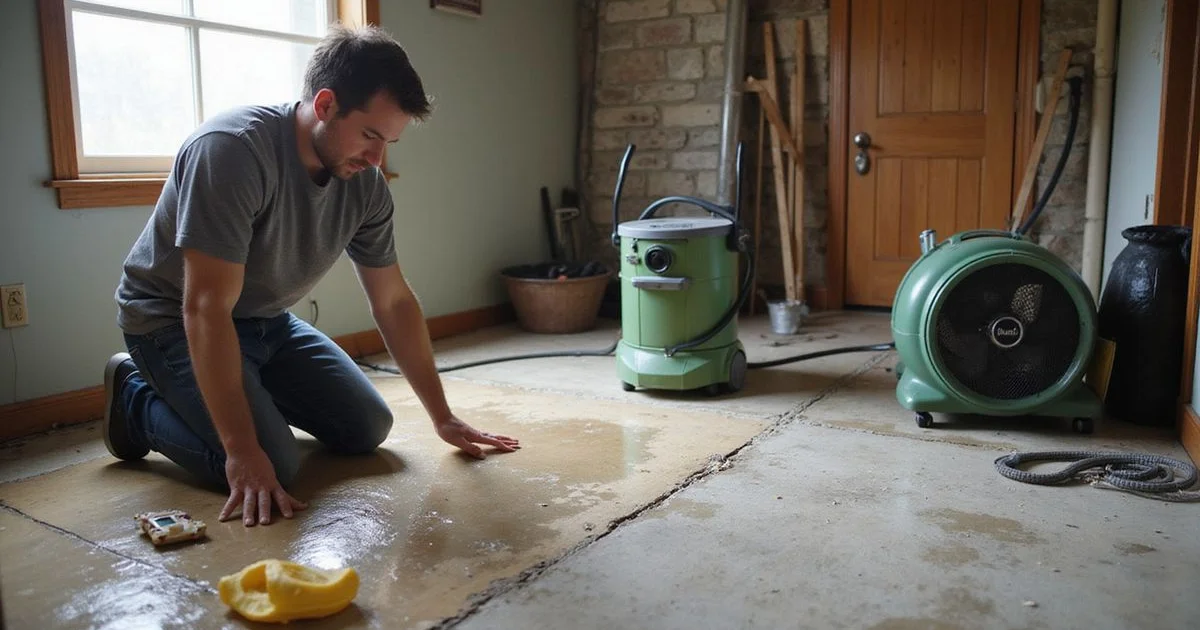
This is general information about typical first steps after flooring gets wet, not a substitute for guidance from your insurance provider or a water damage professional about your specific situation.
The first two days after flooring gets wet, whether from a burst pipe, an appliance leak, or a storm, matter more than any other part of the response. What you do in that window often determines whether the floor can be saved or needs replacement, and whether mold becomes a secondary problem on top of the original damage.
Immediate steps
- Stop the water source if it’s still active, whether that means shutting off a supply line or addressing an active leak.
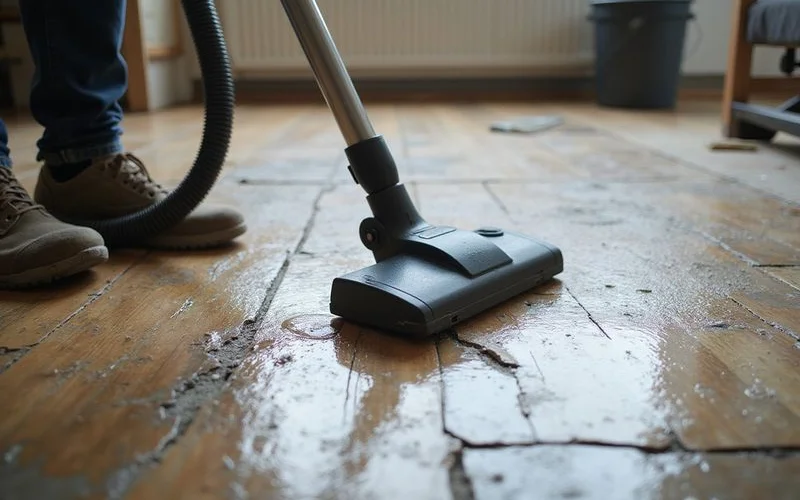
- Remove standing water as quickly as possible using a wet vacuum, towels, or a pump for significant volume.
- Document everything with photos before you start cleanup, including the extent of the water and any visible damage. This matters for an insurance claim later.
- Increase airflow and reduce humidity with fans and a dehumidifier if you have one. Open windows if outdoor conditions allow.
- Remove wet rugs and furniture from the affected area so they aren’t trapping moisture against the floor.
Why speed matters so much
| Timeframe | What’s happening |
|---|---|
| First few hours | Standing water is the main risk; removing it limits how much moisture the flooring absorbs |
| Within 24-48 hours | Mold growth becomes a real risk in the right temperature and humidity conditions |
| Days to a week | Hardwood may begin cupping or warping if moisture isn’t addressed; subfloor damage can set in |
Mold risk is the reason speed matters more than almost anything else here. Once conditions are right, mold can begin developing within roughly a day or two, which turns a flooring problem into a health and remediation problem as well.
When to call a professional
Minor surface moisture caught quickly, a small spill wiped up right away, generally doesn’t need professional intervention. Significant water exposure, especially anything that had time to soak into hardwood, seep under vinyl or laminate, or reach a subfloor, is worth a professional assessment. Moisture-detection equipment can confirm whether a floor and the subfloor beneath it are actually dry, which isn’t always obvious from the surface. Covering a floor back up before it’s fully dry is one of the most common ways a fixable problem turns into mold or structural damage.
What determines if the floor can be saved
Solid hardwood that’s caught early and dried slowly and evenly sometimes recovers from mild cupping without replacement, though it may still need a sanding pass afterward; our hardwood floor refinishing cost guide covers what that runs. Engineered hardwood, laminate, and materials with fiberboard cores are generally less forgiving of water exposure and more likely to need replacement if water reached the core material. Tile itself usually survives water exposure fine, but the subfloor or backing underneath may not.
Insurance and next steps
Contact your insurance provider promptly for sudden, accidental water events like a burst pipe, since coverage and claim timelines vary and early documentation strengthens a claim. For what typically determines liability if a contractor’s prior work contributed to the damage, our guide on liability when a flooring installation goes wrong covers that separately.
Checking the subfloor, not just the surface
Flooring that looks fine on the surface after drying can still hide a damaged subfloor underneath, especially with tile or vinyl where the finish material doesn’t show moisture damage the way hardwood does. A professional with moisture-detection equipment checks readings at multiple points, not just the surface, since a subfloor that feels dry to the touch can still be holding moisture below what’s visible. Covering a damp subfloor with new flooring is one of the most common causes of a mold problem that shows up months later with no obvious source.
What insurance typically does and doesn’t cover
Sudden, accidental water damage, like a burst pipe or a failed appliance hose, is generally the kind of event homeowners insurance covers, though specific policy terms vary. Gradual damage from a slow, long-term leak that went unnoticed is often treated differently and may be excluded, since insurers generally expect homeowners to catch and address slow leaks before they cause significant damage. This is part of why documenting the timeline, when you noticed the water and what caused it, matters as much as documenting the damage itself.
After the immediate response
Once the area is dry and assessed, get a clear recommendation on whether affected flooring needs replacement or can be salvaged, and get that in writing if you’re filing an insurance claim. If replacement is needed, this is also a reasonable point to consider whether upgrading the material makes sense, since you’re already replacing the floor regardless, though this shouldn’t delay the drying and mold-prevention steps that need to happen first.
Find contractors who handle refinishing and repair work under our floor refinishing and repair category, rated using our scoring methodology, or start from the homepage for other flooring needs.
Common questions
- Can water-damaged hardwood always be saved?
- Not always, but often, if it's addressed quickly. Cupping or slight warping can sometimes be corrected by drying the floor slowly and evenly. Severe warping, buckling, or standing water for an extended period usually means some boards need replacement.
- How fast does mold become a risk after water damage?
- Mold growth can begin within roughly 24 to 48 hours in the right conditions, which is why quick drying matters more than almost anything else in the response.
- Should I call my insurance company right away?
- Generally yes, especially for sudden events like a burst pipe or appliance leak. Document the damage with photos before you start cleanup, since insurers typically want to see the original condition.
- Can I just dry the floor myself with fans?
- Fans and dehumidifiers help for minor, surface-level moisture caught quickly. For significant water exposure, especially under flooring or in a subfloor, a professional with moisture-detection equipment can confirm the floor and subfloor are actually dry before you cover them back up.