Hardwood floor refinishing cost in Connecticut: what changes the price
By Dana Whitfield · Updated 2026-08-05
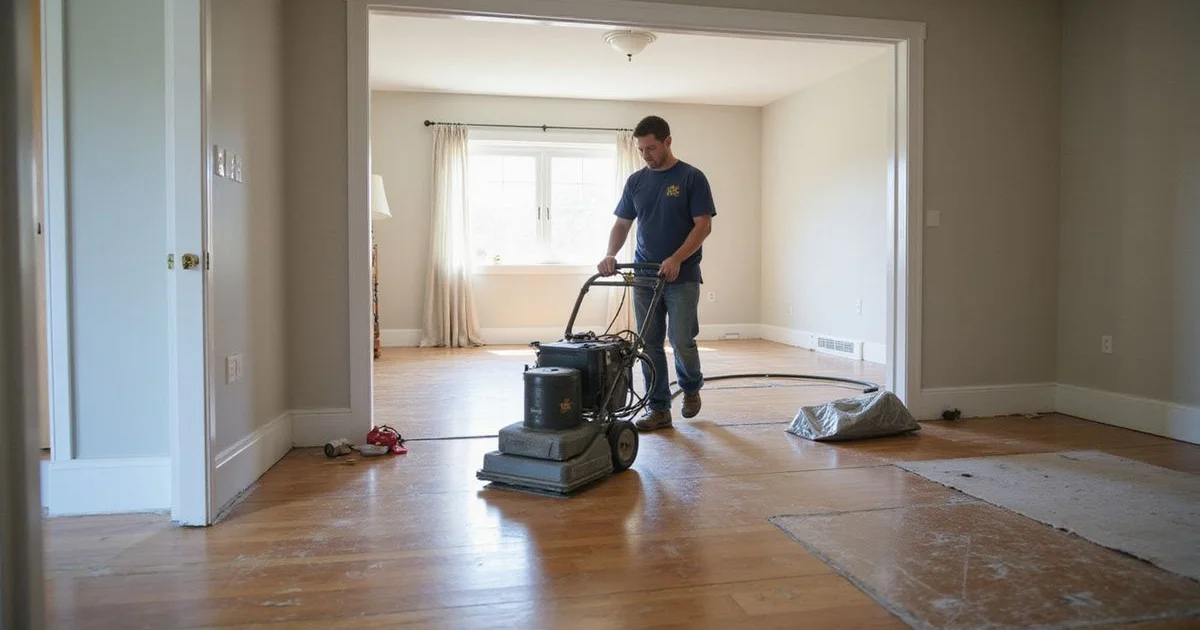
Refinishing is one of the best value moves in flooring: it takes a worn, scratched, or dull hardwood floor and makes it look close to new for a fraction of what replacement costs. Connecticut has a lot of older housing stock with original hardwood under carpet or hidden beneath decades of foot traffic, which is exactly the kind of floor that refinishes well.
What drives the price
| Factor | How it moves the cost |
|---|---|
| Finish type | Water-based polyurethane is typically the most affordable; oil-based is similar; hardwax oil finishes run noticeably higher |
| Floor condition | Light wear costs the least; deep gouges, warping or heavy staining add sanding passes and repair time |
| Room size | Larger areas cost more in total but often see a lower rate per square foot than small, choppy rooms |
| Stair refinishing | Stairs are slower and more detailed work than open floor area, and usually priced separately |
A floor with light wear and a standard polyurethane finish sits at the lower end of the range. Heavy damage, deep staining, or a premium hardwax oil finish push it toward the higher end, sometimes by 30-40% over a light-wear, standard-finish job of the same size.
What a refinishing job actually involves
- Assessment. The contractor checks board thickness (there’s a limit to how many times a floor can be sanded before it’s too thin), moisture levels, and the extent of damage.
- Sanding. Multiple passes with progressively finer grits remove the old finish and level the surface. This is the dustiest, noisiest part of the job.
- Repairs. Damaged boards get replaced or patched, gaps filled, and squeaks addressed before staining.
- Stain (optional) and finish. Stain changes the wood’s color; the protective topcoat is what actually takes the daily wear. Most finishes go on in two to three coats with drying time between each.
- Cure time. The finish needs to fully harden before furniture and rugs go back, which is longer than the time it takes to walk on it safely.
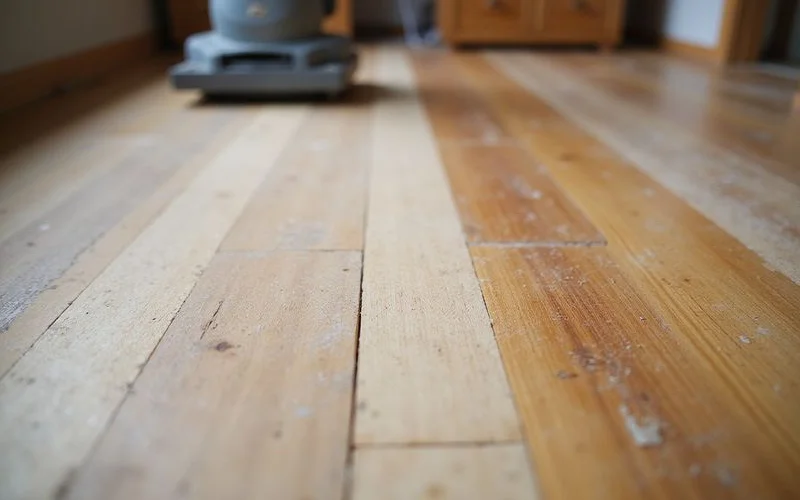
Timeline: what affects how long it takes
A single room with light wear and a standard finish is often done in one to two days. Add more rooms, heavier damage, or a finish with longer cure requirements, and the timeline stretches toward a week. Humidity and temperature also affect drying time, so a job scheduled during a hot, humid stretch may need extra buffer days.
If you need the space usable again quickly, ask up front whether a faster-curing finish is available and what the tradeoffs are. Some fast-cure options cost more but let you move furniture back sooner.
Refinishing vs. replacing
Refinishing only works if there’s enough wood left to sand. Solid hardwood can typically be refinished several times over its life; engineered hardwood has a thinner top layer and can usually handle only one or two light sandings before the veneer is gone. If your floor has already been refinished multiple times, or if water damage has caused warping or cupping that sanding won’t fix, a contractor may recommend partial or full replacement instead. That’s a bigger cost, so it’s worth getting a straight answer on whether your floor is a good refinishing candidate before you commit.
Dust containment options
Traditional sanding creates a significant amount of fine dust that settles throughout the house if it isn’t contained. Many contractors now offer dustless or dust-contained sanding, which uses a vacuum attachment on the sanding equipment to capture most of the dust at the source rather than letting it spread. This typically costs somewhat more than standard sanding, but it noticeably cuts down on post-job cleanup and is worth asking about if you have respiratory sensitivities, young children, or simply don’t want to spend a weekend wiping down every surface in the house afterward.
Preparing the space before the crew arrives
Clear the room completely, including wall art and curtains near the work area, since fine dust travels further than most people expect even with containment equipment. Seal off doorways to unaffected rooms with plastic sheeting if your contractor doesn’t provide this as part of the job. If you have pets, plan to keep them elsewhere during sanding, both for their comfort around the noise and to keep them off the floor before the finish has cured.
Getting an accurate quote
Ask a contractor to inspect the floor in person before finalizing a price, since board thickness and hidden damage under rugs or furniture aren’t always visible from a phone description. A contractor willing to walk the space and explain what they’re checking for, moisture readings, board thickness, the extent of existing damage, is giving you a more reliable number than one quoting a flat per-square-foot rate without seeing the floor first.
Browse contractors who specialize in this work on our floor refinishing and repair category page, where listings are ranked using the same scoring methodology across every category on this site.
Start from the homepage if you’re not sure yet whether your project is a refinish or a full replacement and want to compare options first.
Common questions
- How much does it cost to refinish hardwood floors?
- Refinishing typically runs a few dollars per square foot for sanding, staining and a protective finish. The exact number depends on the finish type and how much damage the crew has to address before sanding.
- Is refinishing cheaper than replacing the floor?
- Almost always. Refinishing reuses the existing wood, so you're paying for labor and finish materials rather than new flooring. Replacement only makes sense when boards are too thin, warped, or water-damaged to sand again.
- How long does refinishing take?
- Most single-room jobs finish in one to three days. Whole-floor refinishing across several rooms can take closer to a week once you factor in drying time between coats.
- Can I walk on the floor right after refinishing?
- Light foot traffic is usually fine within 24 hours, but furniture and rugs typically need to stay off for several days to a couple of weeks depending on the finish, since it needs time to fully cure.