Flooring upgrades before selling your house: what actually adds value
By Dana Whitfield · Updated 2026-09-09
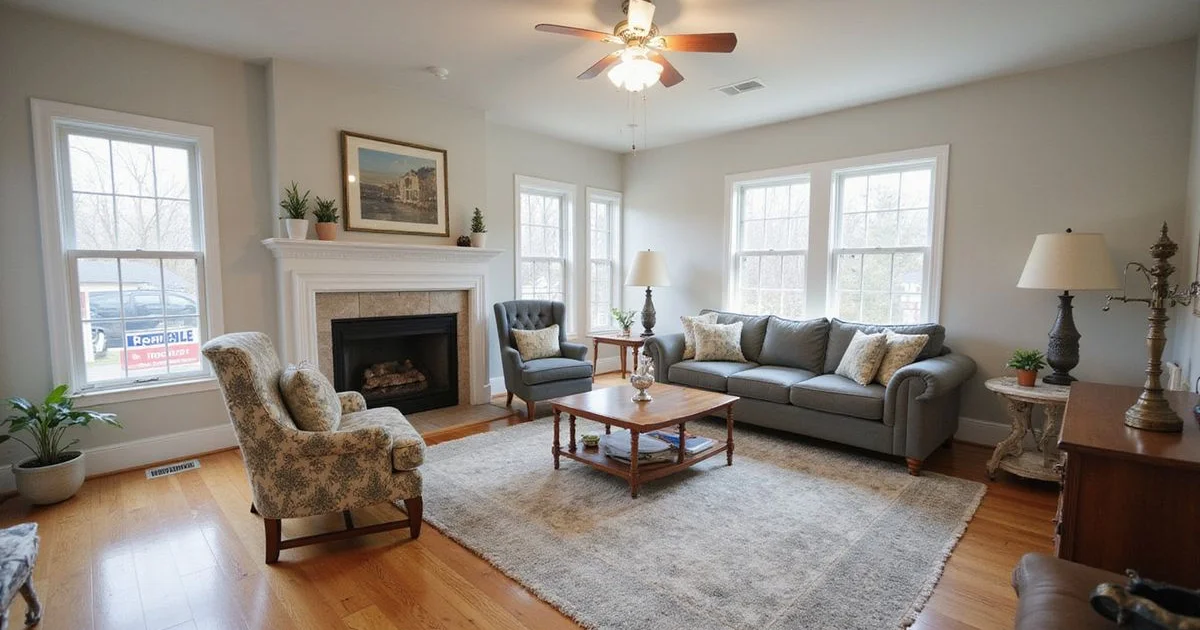
Flooring is one of the first things buyers notice walking through a house, and worn or dated flooring is one of the most common objections agents hear during showings. The right updates before listing can genuinely speed up a sale and reduce negotiated price cuts, but not every flooring upgrade pays for itself at this stage.
What tends to pay off
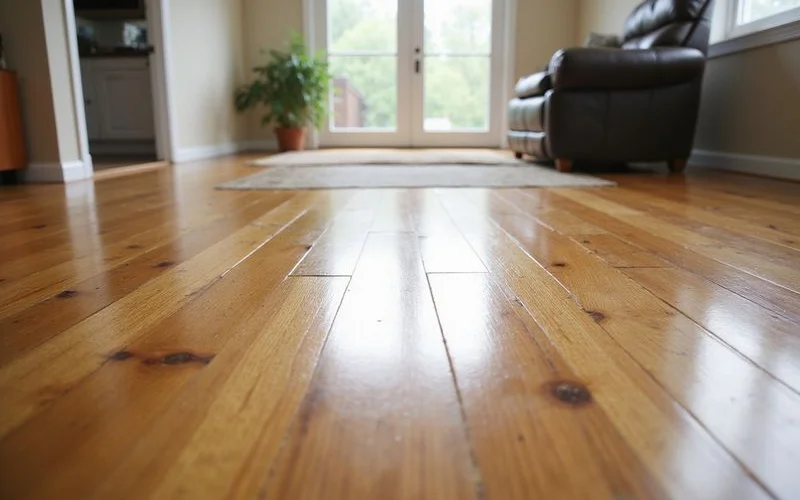
- Refinishing existing hardwood. If the wood underneath is in decent shape, refinishing is far cheaper than replacement and makes a strong first impression, since scratched or dull hardwood reads as neglect even when the floor itself is structurally fine.
- Replacing worn or dated carpet. Stained, matted, or outdated carpet is one of the most common specific complaints buyers and agents mention. Fresh neutral carpet, or switching to a hard surface in main living areas, often addresses this directly.
- Addressing visible damage. Cracked tile, lifting vinyl, or squeaky boards are the kind of details a buyer’s inspector will flag anyway, so fixing them before listing controls the narrative instead of becoming a negotiation point later.
What usually isn’t worth it at this stage
| Upgrade | Why it often doesn’t pay off |
|---|---|
| Premium or exotic hardwood species | High cost with limited buyer-specific appeal; most buyers can’t distinguish it from a standard grade |
| Whole-house replacement when existing flooring is in fine condition | Cosmetic refresh (cleaning, minor repair) usually achieves the same buyer impression at a fraction of the cost |
| Highly personal material or color choices | Buyers respond better to neutral, broadly appealing choices than to bold personal style |
Prioritizing which rooms matter most
Main living areas, kitchens, and primary bedrooms get the most buyer attention during a showing. If budget is limited, focus flooring updates there before spending on secondary bedrooms or less-visited spaces. Consistency across the most visible rooms reads as more finished than a house with fresh flooring in one room and worn flooring in the next.
Timing it against your sale
Flooring work, especially refinishing with its dust and cure time, should generally happen before a house is staged and photographed, not during active showings. Build the timeline backward from your target listing date, and account for the fact that refinishing needs several days of cure time before furniture goes back and photos get taken.
Getting a second opinion before spending
Not every flooring issue needs a full fix. A real estate agent familiar with your specific market can often tell you whether buyers in your price range and neighborhood care enough about a particular flooring detail to justify the cost, or whether it’s a minor cosmetic note that won’t move the needle either way.
Deciding between refinishing and full replacement
If you’re on the fence about whether existing hardwood just needs refinishing or has deteriorated enough to warrant replacement, get a contractor’s opinion before you list rather than after an inspection raises it as a concern. A floor that’s been sanded close to its limit, or that shows warping from past water exposure, may not be a good refinishing candidate, and finding that out during the listing process is far less stressful than finding out mid-negotiation after a buyer’s inspector flags it.
Handling mismatched flooring without a full renovation
A house with different flooring in adjoining rooms, say original hardwood in the living room and dated carpet in an adjacent den, doesn’t always need a full replacement to look more cohesive. Sometimes a well-chosen area rug, a matching stain color on a smaller secondary area, or simply a deep clean and repair of what’s there closes enough of the visual gap to satisfy a buyer walking through. Save full replacement for situations where the existing material is genuinely worn out, not just different from the room next to it.
What to disclose either way
Even after updates, be straightforward about the flooring’s age and any known history, including past repairs or water damage, in your seller disclosures. Fresh flooring on top of an undisclosed structural or moisture issue underneath can create bigger problems during the inspection period than an honestly disclosed older floor ever would.
Compare flooring contractors and see how they’re rated on our scoring methodology, or start from the homepage to browse contractors by project type before you list.
Common questions
- Should I replace carpet before selling my house?
- Worn or dated carpet is one of the most common buyer objections during showings, and replacing it or switching to a neutral hard surface in main living areas often pays back well in a faster sale and fewer negotiated price cuts.
- Is it worth refinishing hardwood floors before listing?
- Often yes, if the existing hardwood is in reasonable structural shape but looks worn or dated. Refinishing is generally far cheaper than replacement and creates a strong first impression during showings.
- Should I match flooring throughout the whole house?
- Consistent flooring in main living areas reads as more finished to buyers than a patchwork of different materials room to room, but this doesn't always require replacing everything, just addressing the most visible inconsistencies.
- What flooring updates aren't worth doing before selling?
- Premium upgrades like exotic hardwood species or high-end tile rarely return their full cost at sale. Buyers appreciate clean, neutral, well-maintained flooring more than expensive specialty choices they may not personally like.