New home flooring: what to replace before you move in vs. after
By Dana Whitfield · Updated 2026-09-14
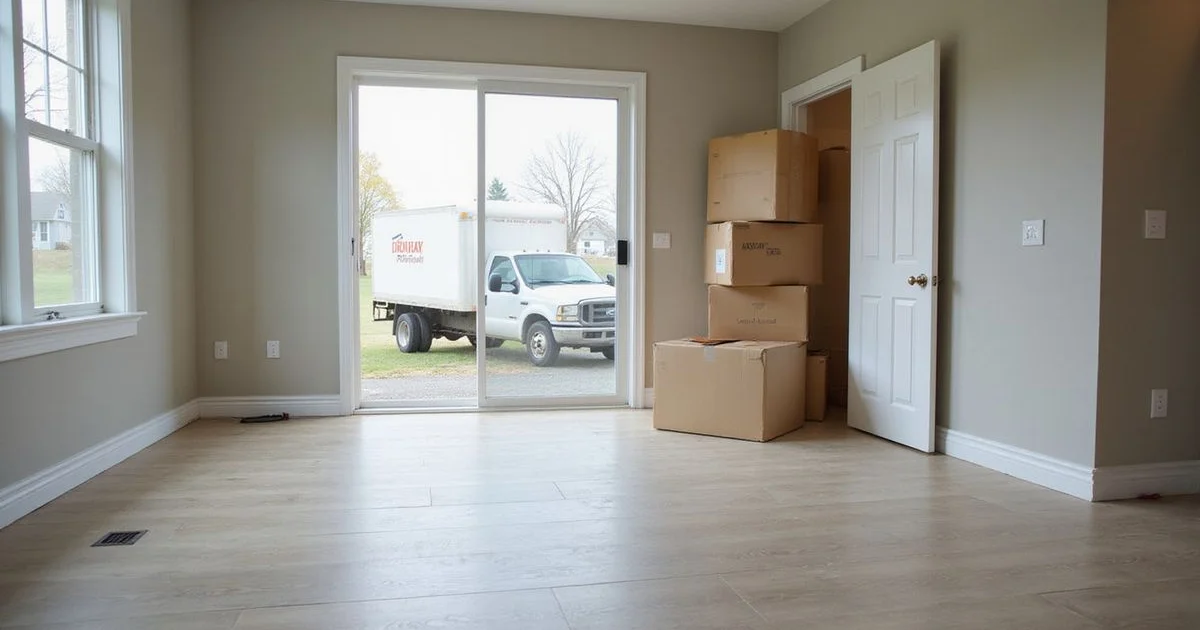
Buying a new home comes with a narrow window where the flooring work is genuinely easier than it will ever be again: before your furniture arrives. Not every flooring decision needs to happen in that window, but some genuinely should, and knowing which is which helps you budget both time and money more realistically.
Why the empty-house window matters
Contractors work faster and more thoroughly in an empty room. There’s no furniture to move, protect, or work around, which often shortens the timeline and can reduce labor cost compared to the same job in a furnished home. It also means you’re not living with dust, noise, and blocked-off rooms while trying to unpack and settle in.
What’s worth doing before you move in
| Situation | Why it belongs in the pre-move-in window |
|---|---|
| Water damage or visible mold | Safety and moisture issues get worse the longer they’re covered by furniture and daily use |
| Structural subfloor problems | Much easier to access and repair in an empty room |
| Whole-house consistency (matching flooring across main areas) | Far more disruptive to coordinate once you’re living there |
| Refinishing existing hardwood throughout | Dust and cure time are much easier to manage without furniture and daily life in the way |
If a walkthrough turns up actual water damage rather than just cosmetic wear, treat it as its own priority: our guide on water-damaged flooring in the first 48 hours covers the immediate steps before you even get to the replace-or-refinish decision.
What can reasonably wait
Cosmetic updates in secondary spaces, a guest room, a rarely used den, or a finished basement you’re not using right away, generally don’t carry the same urgency. Waiting lets you spread the cost over time rather than financing everything at once, and it gives you a chance to live in the space before deciding exactly what you want there.

A practical way to prioritize
Walk the house before closing, if your purchase agreement allows access, or immediately after, and separate what you see into three categories: safety or moisture issues that need immediate attention, cosmetic issues that would be far easier to fix while the house is empty, and lower-priority cosmetic updates that can wait. That split usually makes the decision about what to tackle first fairly clear without needing to redo the whole house at once.
Budgeting for both phases
If the pre-move-in list is larger than your budget allows in one pass, prioritize by the table above rather than by room size or visibility. A smaller safety-related fix in a spare bedroom matters more than a larger cosmetic upgrade in a room you’ll see every day, even though the cosmetic change feels more urgent day to day.
Coordinating with your closing timeline
If your purchase agreement allows a pre-closing inspection or walkthrough, use that visit to start getting flooring quotes rather than waiting until after closing. Some contractors can schedule work to begin the day you get keys if they’ve already seen the space and priced the job, which shrinks the gap between closing and having a livable, finished home. If pre-closing access isn’t possible, build a few extra days of buffer into your move-in plan for the initial assessment and quoting process before work can start.
Storing belongings during the work
If you’re doing flooring work across multiple rooms before moving in, you’ll likely need somewhere to keep your belongings during the job, whether that’s a moving truck, a storage unit, or staying with family a bit longer. Factor this cost and logistics into your overall moving budget, since it’s easy to focus only on the flooring quote and forget that an empty house strategy has its own carrying costs while the work is underway.
Working around a mortgage or renovation loan timeline
If you’re financing flooring work as part of a renovation loan tied to your mortgage, there may be specific timing requirements or inspection milestones the lender expects before releasing funds for each phase. Confirm this with your lender before scheduling contractors, since a mismatch between the loan’s disbursement schedule and your contractor’s payment schedule can create cash flow problems partway through the project.
Compare flooring contractors and see how they’re rated on our scoring methodology, or start from the homepage to browse by category before you request quotes.
Common questions
- Is it worth replacing flooring before moving in if the current floor is functional?
- It depends on your tolerance for living around a renovation. Empty rooms are much faster and cheaper to work in than furnished ones, so functional-but-dated flooring is often worth addressing before move-in if your budget and timeline allow it.
- What flooring problems shouldn't wait?
- Anything tied to safety or moisture, like water-damaged subflooring, mold you can see or smell, or flooring that's actively lifting or cracking, should be addressed before you move belongings in, not after.
- How much faster is flooring work in an empty house?
- Contractors generally move faster without furniture to work around and protect, and some jobs that would take extra days in a furnished home go noticeably quicker in an empty one. It also avoids the cost or hassle of moving furniture twice.
- What can reasonably wait until after moving in?
- Cosmetic upgrades in low-priority rooms, like a guest bedroom or a finished basement you don't use daily, can usually wait without much downside, letting you spread the budget out over time.