What flooring installation really costs in Connecticut
By Dana Whitfield · Updated 2026-08-03
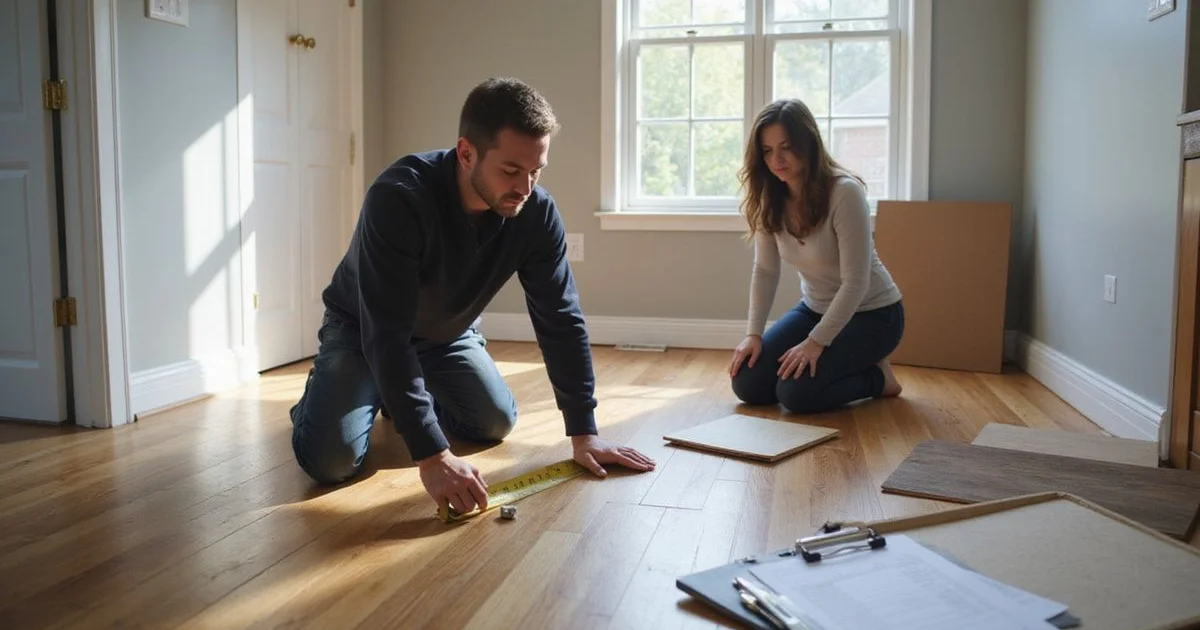
Every flooring quote in Connecticut comes down to the same handful of variables: the material you pick, the size and shape of the room, what’s already on the floor, and how much prep the subfloor needs. Knowing the rough range before a contractor walks in the door makes it much easier to tell a fair quote from an inflated one.
Typical installed cost by material
These ranges cover materials and labor for a standard room with a subfloor that’s in reasonable shape. They will move up for tricky layouts, stairs, or a house with a lot of transitions between rooms.
| Material | Typical installed cost per sq ft |
|---|---|
| Carpet | $4.00 - $5.50 |
| Laminate or vinyl | $5.50 - $8.00 |
| Tile or stone | $9.50 - $13.00 |
| Hardwood | $11.50 - $16.50 |
A 300 square foot living room in laminate, for example, lands somewhere in the $1,650 to $2,400 range before any extras. Add tile in a smaller bathroom and the total often comes in lower in dollar terms even though the per-square-foot rate is higher, simply because the room is smaller. If the existing floor is hardwood and just needs new life rather than a full tear-out, our hardwood floor refinishing cost guide covers what that cheaper path typically runs.
What pushes a quote above or below that range
- Removing old flooring. If the crew has to pull up carpet, tile, or old vinyl before they start, expect roughly 15-20% more than a job where the subfloor is already exposed and ready.
- Subfloor repair. Soft spots, uneven concrete, or old adhesive residue on the subfloor add labor hours before a single plank or tile goes down. A contractor who skips this step to save money is cutting a corner that shows up later as squeaks, cracked grout, or an uneven surface.
- Room shape and cuts. A rectangular room with no obstacles installs faster than one with closets, angled walls, or a lot of doorways. More cuts and seams mean more labor time.
- Material grade. Within any category, price ranges by grade are wide. A budget laminate and a premium waterproof vinyl plank can be double the cost of each other even though they’re the same “material.”
- Timing. Contractors book out weeks or months in advance during busy seasons, and rushed scheduling sometimes carries a premium.
Getting quotes you can actually compare
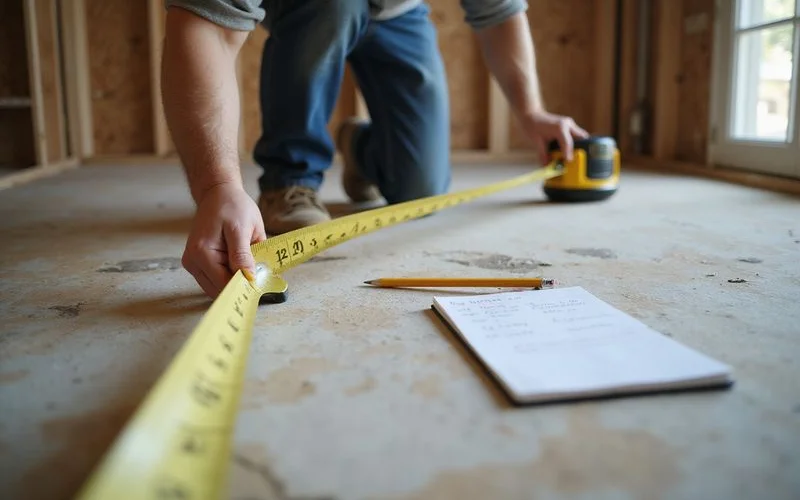
Two quotes are only comparable if they cover the same scope. Ask each contractor to itemize materials, labor, subfloor prep, and removal separately rather than handing over one lump number. That makes it obvious when one bid skipped a step the other included, and it’s the single easiest way to catch a lowball quote that’s missing something.
It’s also worth asking who’s doing the actual installation. Some companies subcontract the labor out, which isn’t automatically a problem, but you want to know who’s responsible if something goes wrong.
Financing and payment timing
Larger jobs, especially whole-home hardwood or tile, sometimes come with financing options through the contractor or a third-party lender. Compare the total cost including interest against paying in stages as the work is completed, since financing convenience can add several hundred dollars or more over the life of a loan depending on the terms. A reasonable payment schedule ties each payment to a completed phase of work rather than asking for most of the money upfront.
If you want to see how contractors in your area are scored on pricing fairness alongside quality and reliability, our rating methodology explains exactly how those scores are built.
When a low price is a red flag, not a deal
A bid that comes in well under every other quote is sometimes just a leaner operation with lower overhead. But it’s also the most common way corners get cut: thinner underlayment, no subfloor leveling, or skipped moisture testing in a basement or bathroom. If a number looks too good, ask what specifically is included and what happens if the subfloor needs more work than expected once the old flooring comes up.
Start any flooring project from the homepage to browse contractors by category and compare who covers your town, your material, and your budget before you request quotes.
Common questions
- What's the cheapest flooring option per square foot?
- Carpet is usually the lowest upfront cost per square foot, followed by laminate and vinyl. Tile, stone and hardwood cost more for materials and labor but tend to last longer, which changes the math over time.
- Does removing old flooring add much to the price?
- Yes. Pulling up and hauling away old flooring before the new material goes down typically adds somewhere around 15-20% to the job, depending on what's underneath and how it was installed.
- Why did two contractors quote me such different prices for the same room?
- Subfloor condition, room shape, material grade and how busy the contractor is all move the number. A quote with a site visit and a written scope is more reliable than a phone estimate.
- Should I pay a deposit before work starts?
- A modest deposit is normal, but the bulk of payment should follow the work, not precede it. See our guide to flooring contractor laws in Connecticut for what a compliant contract should include.