Flooring options for renters: what you can change without losing your deposit
By Dana Whitfield · Updated 2026-09-02
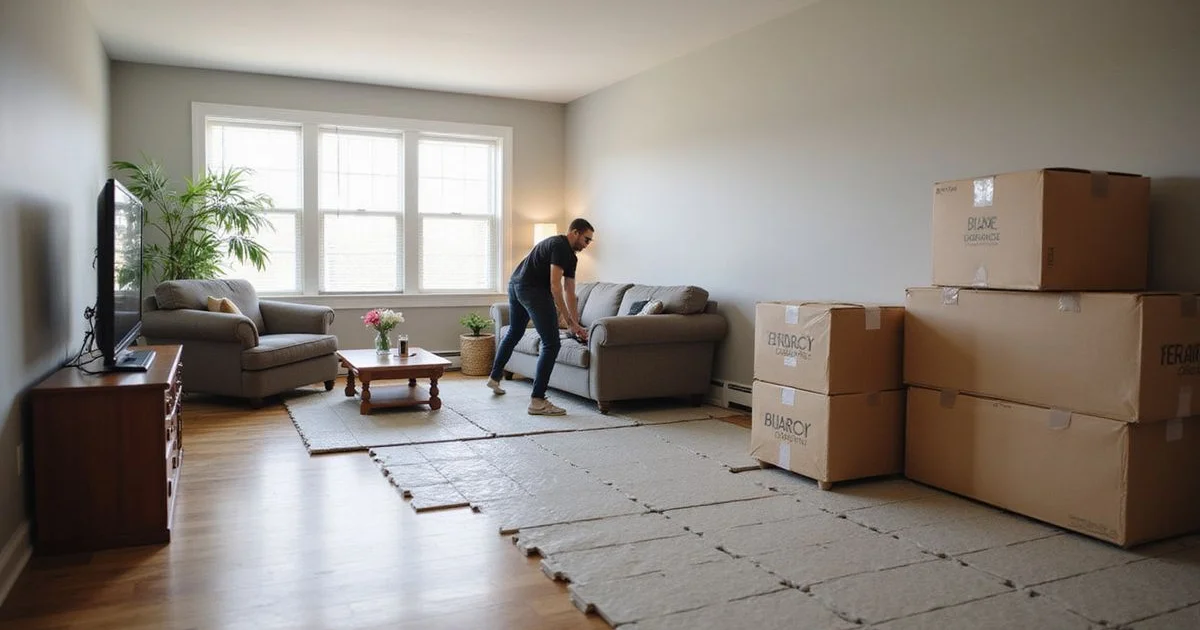
Renting doesn’t have to mean living with flooring you don’t like, but it does mean sticking to changes you can undo. The right approach depends on your lease terms and how long you plan to stay, and getting this wrong can mean losing part of your security deposit over a change that seemed harmless.
Start with your lease, not the flooring store
Before buying anything, read your lease’s language on alterations. Some leases prohibit any flooring changes, even temporary ones. Others allow temporary changes but require written permission for anything semi-permanent. A quick message to your landlord asking specifically about flooring, before you commit to a product, avoids a dispute later.
Removable options that generally work well
| Option | How it’s installed | Removability |
|---|---|---|
| Peel-and-stick vinyl tile | Adhesive backing, no tools required | Removable, though adhesive residue sometimes needs cleanup |
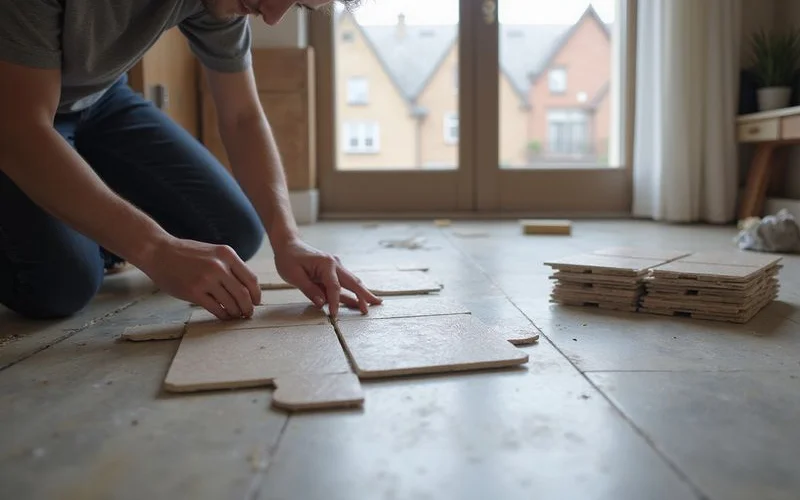
| Interlocking floor tiles | Click or snap together, no adhesive | Fully removable, reusable at your next place |
| Floating floor over existing flooring | Laid loose or with a thin underlayment, no fasteners | Removable if not glued down |
| Area rugs and runners | No installation | Fully removable, zero risk |
Interlocking tiles and floating floors laid without adhesive are generally the safest choices because they come up cleanly and can often be reused when you move. Peel-and-stick products vary more by brand in how cleanly they remove, so check reviews for that specific product before committing.
What to avoid without explicit permission
- Glued-down flooring that bonds to the existing surface and can’t be removed cleanly.
- Nailed or stapled installations, which leave holes in the subfloor.
- Anything requiring subfloor prep or removal of the existing floor, since that’s a permanent change by definition.
If your landlord does approve a more permanent upgrade, get that approval in writing and be specific about what’s being changed, since a verbal “sure, go ahead” is much harder to point back to if there’s a dispute at move-out.
Protecting your deposit either way
Take dated photos of the original flooring before you start, and again after you remove any temporary flooring at the end of your lease. If you’re using an adhesive product, test a small, inconspicuous area first to check how cleanly it removes. And budget time before move-out to take everything up carefully rather than rushing it the day before your walkthrough.
When it’s worth hiring help
Even temporary flooring benefits from professional installation if the room has an unusual layout or you want a clean, finished look. A contractor experienced with renter-friendly products can advise on what removes cleanly in your specific situation. Our guide on DIY vs. hiring a flooring contractor covers which jobs are realistic to take on yourself either way.
Negotiating a flooring upgrade with your landlord
Some landlords are more open to flooring changes than renters assume, especially for an upgrade that improves the unit’s condition, like replacing worn original flooring with something nicer at the renter’s expense. If you’re proposing this, offer to cover the cost yourself and be specific about the product and installation method. Landlords are far more likely to say yes to a removable, reversible option than to a permanent change they can’t easily undo if a future tenant doesn’t want it.
What to do at move-out
Before your final walkthrough, remove any temporary flooring you installed and clean the original surface underneath, including any adhesive residue from peel-and-stick products. Compare the space to your original move-in photos so you can point to the floor’s condition if there’s any dispute. A landlord is far less likely to make a deposit deduction stick when you can show the original flooring came back in the same condition it started in.
Multi-unit and shared-building considerations
If you live in a condo, apartment building, or any multi-unit property, check whether there are building rules about flooring beyond what’s in your individual lease, particularly around noise. Hard flooring transmits sound to units below more than carpet does, and some buildings have specific requirements about underlayment or sound-dampening materials for exactly this reason. This applies even to temporary flooring, so it’s worth checking before you install anything, not just your lease.
Compare contractors who work with laminate and vinyl products under our laminate and vinyl flooring category, rated using our scoring methodology, or start from the homepage to browse other options.
Common questions
- Can I install flooring in a rental without permission?
- You should get written permission from your landlord before any permanent change, including glued or nailed-down flooring. Temporary, removable options generally don't require permission, but check your lease since some prohibit even those.
- What flooring is fully removable?
- Peel-and-stick vinyl tile, interlocking floor tiles, and floating floors installed without adhesive over an existing floor are the most common removable options, since they can come up without damaging what's underneath.
- Will installing new flooring affect my security deposit?
- It depends entirely on whether the change is permanent and whether you had permission. Removable flooring installed carefully and taken up before move-out generally shouldn't affect your deposit. Permanent changes without permission often do.
- Is it worth the cost if I'm renting short-term?
- For a stay of a year or more, many renters find the comfort and appearance upgrade worth it, especially with removable products you can take to your next place. For a short-term lease, the cost may not be worth it unless the flooring is genuinely reusable.