DIY vs. hiring a flooring contractor: when it's worth doing it yourself
By Dana Whitfield · Updated 2026-08-14
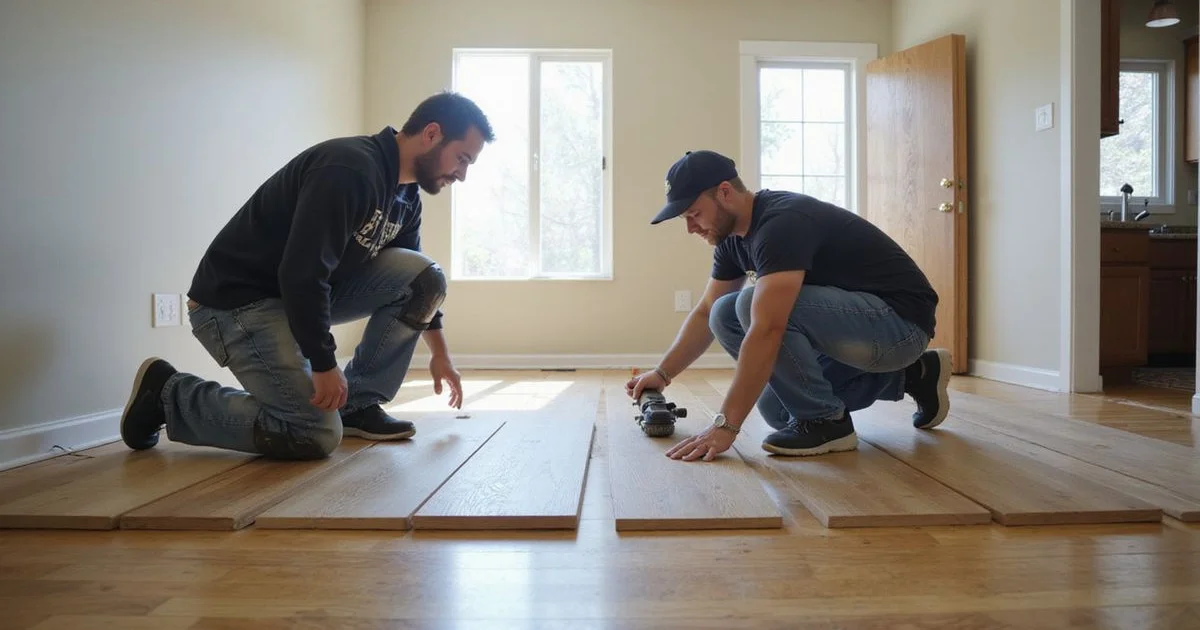
Flooring sits in an unusual spot among home projects: some of it is genuinely approachable for a motivated homeowner with a free weekend, and some of it punishes even careful DIYers with mistakes that are expensive to undo. Knowing which category your project falls into is the real decision, not “am I handy.”
The jobs that DIY reasonably well
Floating floor systems, click-lock laminate and rigid-core luxury vinyl plank in particular, are built for this. The planks lock together without nails or adhesive, tools are minimal, and if a board goes in wrong it usually just pops back apart rather than requiring a full redo. A single room with a straightforward layout is a realistic weekend project for someone comfortable with basic tools and willing to follow a manufacturer’s instructions closely. These same click-lock systems are popular with tenants who want new floors without a permanent installation; our guide to flooring options for Connecticut renters covers what a landlord will typically allow.
The jobs that usually go sideways
| Job | Why it’s a common DIY failure point |
|---|---|
| Hardwood refinishing | Sanding equipment is unforgiving; uneven passes gouge the wood and are hard to fix |
| Tile in wet areas | Waterproofing and slope-to-drain details are easy to get wrong and expensive to redo |
| Subfloor leveling | Skipping this step causes cracked tile, squeaky floors, and uneven surfaces later |
| Carpet stretching | Requires specialized tools and technique to avoid wrinkles and premature wear |
| Anything over concrete | Moisture testing and proper barriers matter more than they seem to at the start |
The common thread: jobs that fail invisibly, where the mistake doesn’t show up until months later as a squeak, a cracked tile, or a warped board, are the ones that punish DIY the hardest. A crooked laminate seam is obvious and annoying. A skipped moisture barrier under vinyl in a basement can mean pulling the whole floor back up.
What actually changes the math
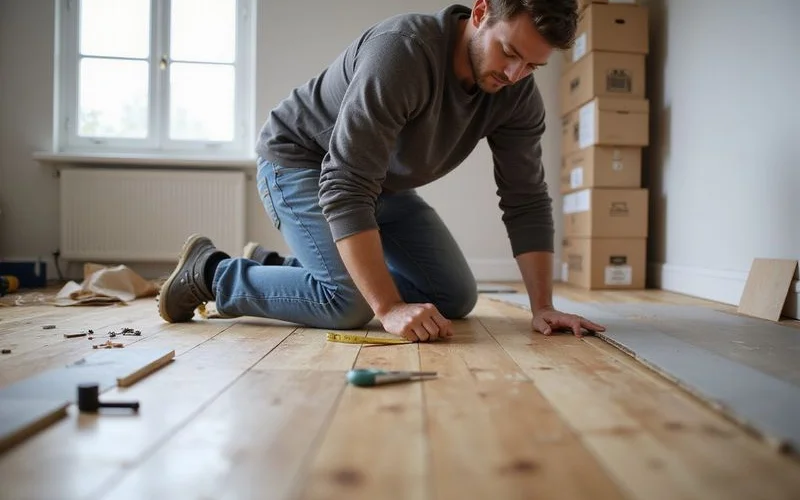
Labor typically makes up a meaningful share of a flooring quote, sometimes close to half depending on the material, so DIY savings are real. But factor in tool rental or purchase, the material you’ll waste learning as you go, and the time the project actually takes compared to what you expected. A weekend project that turns into three weekends because of mistakes, or because the subfloor needed more work than planned, erodes the savings fast.
It’s also worth being honest about resale and warranty implications. Some material warranties require professional installation to stay valid, particularly around moisture-related failures. If you’re planning to sell within a few years, a visibly amateur job in a main living area can cost more in negotiation than it saved in labor.
Tools and time you’ll actually need
Even a DIY-friendly floating floor job requires more than a hammer and a free afternoon. Budget for a flooring saw or a jigsaw for cuts around doorways and closets, spacers to maintain the expansion gap along walls, and enough extra material to cover cutting mistakes, typically more than a professional would order for the same room since a contractor’s cuts waste less. Watch a few product-specific installation videos before starting, since click-lock systems vary enough between brands that general flooring knowledge doesn’t always transfer directly.
A middle option: hire out the hard parts
Some homeowners split the difference by hiring a professional for subfloor prep or moisture testing and then installing the floating floor themselves once the surface is ready. This can work well if you’re upfront with the contractor about the plan, since they can confirm the subfloor is genuinely ready for a DIY install rather than leaving you to guess. It won’t work for every material, but for floating floors specifically, it’s a reasonable way to control cost while still getting professional judgment on the step that’s hardest to get right yourself.
A reasonable way to decide
If the room is small, the material is a floating floor system, and a mistake would just mean redoing a plank or two, DIY is a fair option. If the job involves wet areas, sanding, subfloor repair, or anything below grade where moisture is a factor, hiring a professional is the safer call, both for the outcome and for keeping any material warranty intact.
Compare installers who work with floating floor and click-lock materials under our laminate and vinyl flooring category, scored using our rating methodology, or head back to the homepage to browse other project types.
Common questions
- What flooring is easiest to install myself?
- Floating floors, like click-lock laminate and luxury vinyl plank, are the most DIY-friendly because they don't require nailing, gluing, or specialized tools, and mistakes are easier to undo.
- What flooring should I never DIY?
- Hardwood refinishing, tile in wet areas, and anything requiring subfloor leveling or moisture testing are the jobs most likely to go wrong without experience. Mistakes here are expensive and sometimes irreversible.
- Will a DIY install void a warranty?
- Sometimes. Many material warranties require professional installation, and moisture-related failures in particular are often excluded if the installer skipped required prep steps. Check the manufacturer's terms before starting.
- How much money does DIY actually save?
- It saves on labor, which is often close to half the total job cost, but tool rental, wasted material from mistakes, and your own time all cut into that savings. A first-timer's second attempt is rarely cheaper than hiring it out the first time.