What to expect during a flooring installation, from quote to final walkthrough
By Dana Whitfield · Updated 2026-08-10
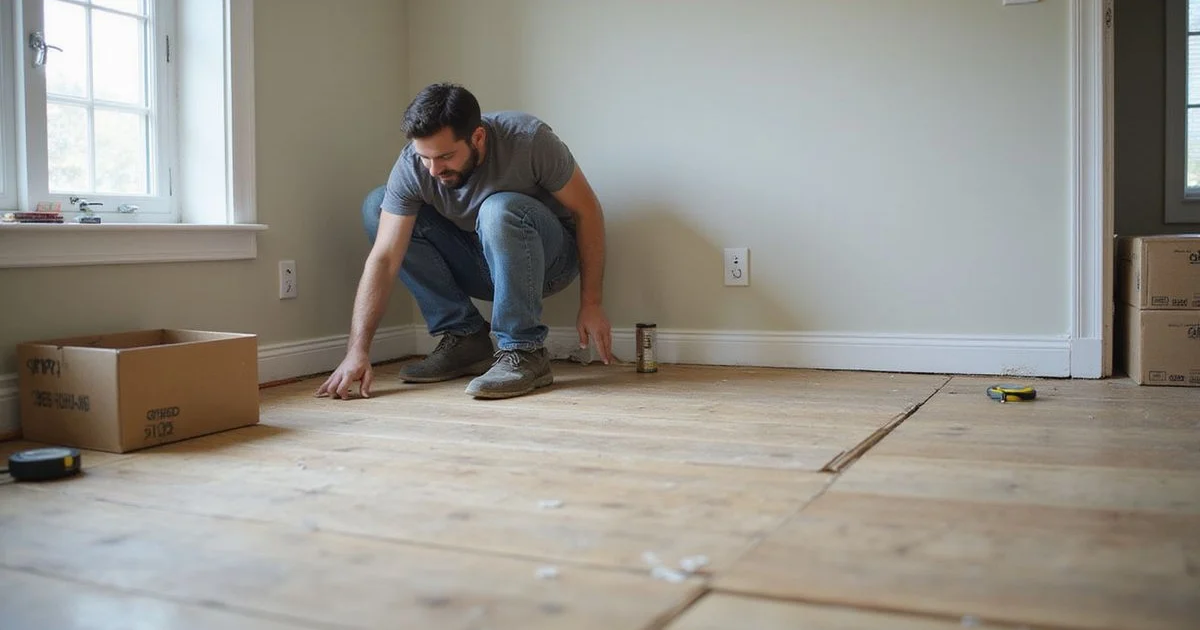
Not knowing what happens between “we agreed on a price” and “the floor is done” is one of the biggest sources of anxiety in a flooring project. The process is fairly consistent across materials, with a few extra steps depending on what you’re installing.
Before the crew arrives
- Site visit and measurement. A contractor should measure the space in person rather than quoting off a phone call alone. This is also when subfloor condition gets checked.
- Material selection. You pick the product, often from samples, and the contractor orders it. Lead times vary: some materials ship in days, others take weeks, especially for special orders. If you’re still torn between two wood options at this stage, our solid vs. engineered hardwood guide breaks down which suits your home.
- Scheduling. Installation gets booked once material is on hand or confirmed for delivery.
- Prep instructions. The contractor tells you what to clear out, whether furniture moving is included, and how to prep the space (removing rugs, clearing closets, that kind of thing).
Installation day
Most jobs follow a similar shape: the crew arrives, protects surrounding surfaces and furniture that’s staying in place, removes old flooring if that’s part of the scope, preps or levels the subfloor, and installs the new material. Cuts around doorways, closets, and transitions take longer than open floor area, so a room with a simple layout moves faster than one with a lot of corners.
| Stage | What’s happening | Typical duration |
|---|---|---|
| Protection and setup | Covering floors, furniture and walkways | 30-60 minutes |
| Removal (if applicable) | Pulling up old flooring | Half a day to a full day |
| Subfloor prep | Leveling, patching, moisture checks | Varies with condition |
| Installation | Laying and securing new material | 1-3 days for most rooms |
| Cleanup and walkthrough | Final inspection together | 30-60 minutes |
What a good crew does differently
Reviews from homeowners across Connecticut consistently point to the same handful of things that separate a good experience from a frustrating one: crews who show up on time, cover furniture and floors thoroughly before starting, communicate clearly about delays, and leave the worksite clean at the end of each day rather than just at the very end of the job. Dust containment matters more than people expect, especially for sanding and refinishing work.
The final walkthrough
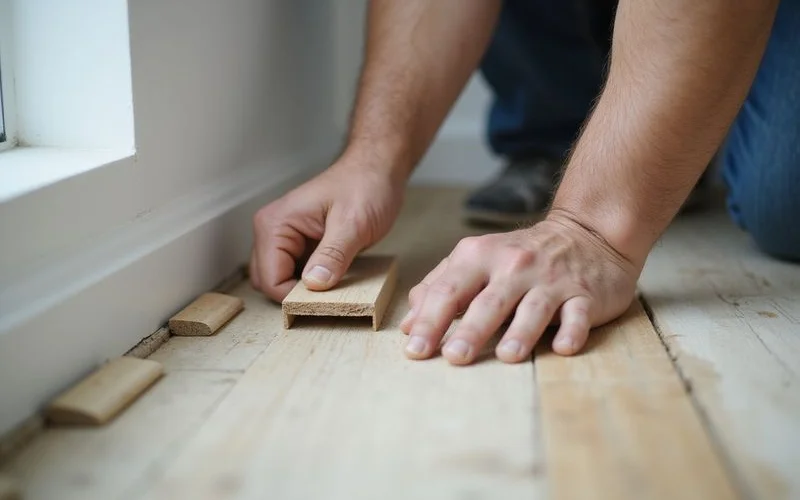
Before you sign off, walk the space with the contractor. Check transitions between rooms, look for gaps along edges, and make sure trim or baseboards are reinstalled cleanly if they were removed. Bring up anything that looks off before the crew leaves rather than after, since it’s much easier to fix while the tools and materials are still on hand.
Red flags during the process
Pay attention if a crew shows up without a clear plan for protecting your home, skips checking the subfloor before installing over it, or gives vague answers when you ask about timeline changes. Documentation and communication gaps are among the most common complaints homeowners report, so a contractor who puts the schedule and scope in writing up front is worth more than one who promises the lowest price with the least detail.
Living around the work
If you’re staying in the house during installation, expect at least one room to be unusable for the duration of the job, plus limited access through hallways or entryways the crew is actively working in. Pets and small children are usually better kept out of the work area entirely, both for their safety around tools and materials and so the crew can move efficiently without having to work around foot traffic. Plan meals and daily routines around which parts of the house will be inaccessible on a given day, since a kitchen floor job, for instance, may mean no kitchen access for a day or more.
What happens if something unexpected turns up
It’s common for a crew to find something during removal or subfloor prep that wasn’t visible during the original quote, like water damage, uneven concrete, or old adhesive that needs extra work to remove. A contractor should pause and explain the issue, what it adds to cost and timeline, and get your agreement before proceeding, rather than just doing the extra work and adding it to the final bill. This is exactly the kind of moment a documented change order process, discussed in our guide to flooring contractor laws in Connecticut, is meant to cover.
After the crew leaves
Ask for care instructions specific to your new material before the crew packs up: how soon rugs and furniture can go back, what cleaning products are safe to use, and how long to avoid heavy foot traffic in high-use areas. Keep any leftover material and the installer’s contact information on hand in case a small touch-up or repair comes up later.
Start from the homepage to compare flooring contractors by category, or check our scoring methodology to see exactly how listings are ranked before you pick who to call.
Common questions
- How far in advance should I book a flooring installation?
- Popular contractors are often booked several weeks out, more during busy spring and fall seasons. Booking a month or more ahead gives you more contractor choices and scheduling flexibility.
- Do I need to move furniture myself before installation?
- This varies by contractor. Some include furniture moving in their quote, others expect the space cleared before they arrive. Confirm this in writing so it isn't a surprise on install day.
- Can I stay in the house while flooring is being installed?
- Usually, yes, though dust, noise, and blocked-off rooms make it less convenient. Refinishing and sanding jobs are the messiest; installing prefinished material is generally cleaner.
- What happens at the final walkthrough?
- The contractor walks the finished space with you, points out any transition strips or trim details, and addresses anything that doesn't look right before calling the job complete.