Solid vs. engineered hardwood: which is right for your Connecticut home
By Dana Whitfield · Updated 2026-08-12
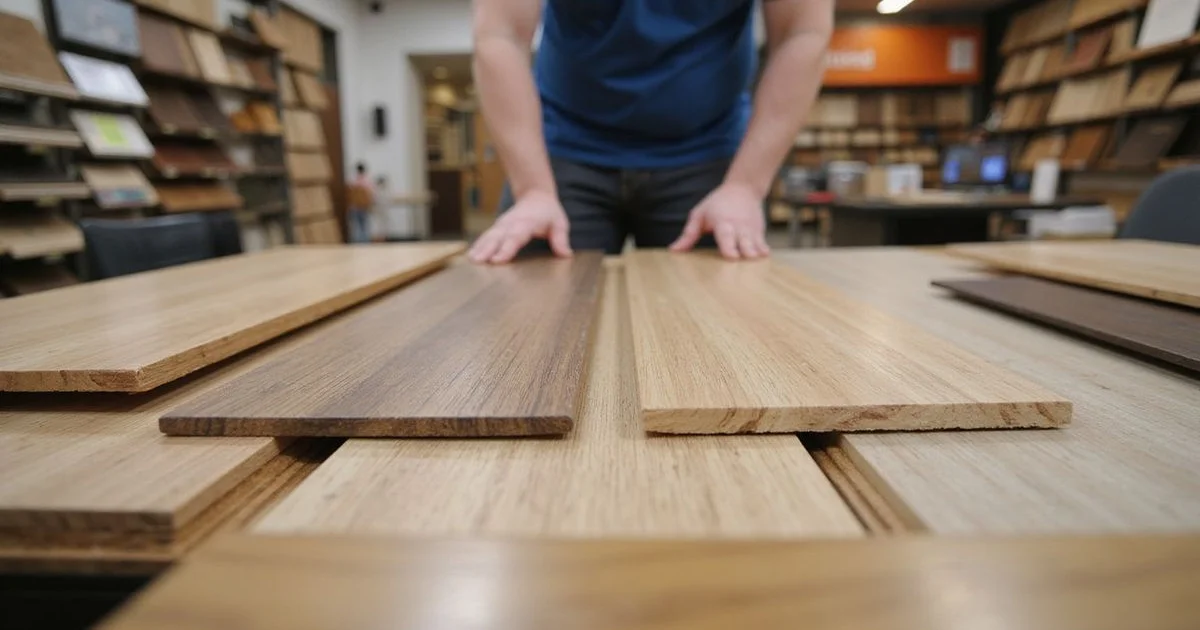
Both solid and engineered hardwood are real wood on the surface, and both can look nearly identical once installed. The difference that actually matters is underneath: how the board is built, and what that means for where it can go and how long it lasts in a Connecticut home’s humidity swings between summer and winter.
The core tradeoff
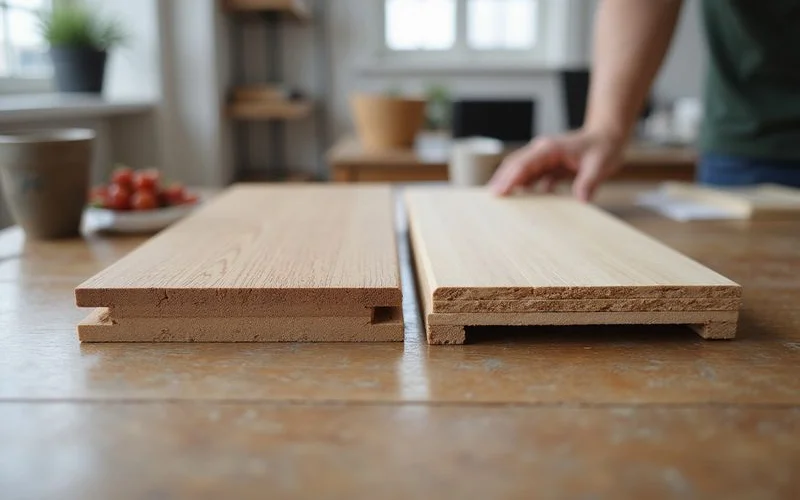
Solid hardwood is a single piece of wood through its full thickness. It can be sanded and refinished many times over decades, which is why so many older Connecticut homes still have their original floors under a fresh coat of finish. But it expands and contracts more with humidity, which limits where it should go.
Engineered hardwood has a thin layer of real wood bonded to a plywood or fiberboard core. That layered construction resists warping from moisture changes far better than solid wood, which makes it the practical choice for basements, over concrete slabs, or in homes with less consistent climate control. The tradeoff is a shorter refinishing life, since there’s only so much real wood on top before it’s sanded through.
Comparing them directly
| Solid hardwood | Engineered hardwood | |
|---|---|---|
| Refinishing life | Multiple times over decades | Usually once or twice, lightly |
| Humidity tolerance | Lower, prone to gapping or cupping | Higher, more dimensionally stable |
| Where it can go | Above-grade rooms only | Any level, including basements |
| Installation method | Nailed or glued | Nailed, glued, or floating |
| Typical lifespan | 50-100 years with care | 20-30+ years depending on wear layer |
Where climate actually changes the decision
Connecticut’s seasonal humidity swing, humid summers and dry heated winters, puts real stress on solid hardwood if a home’s climate control isn’t consistent. That doesn’t rule solid wood out; plenty of homes handle it fine with a stable indoor environment and proper acclimation before installation. But if you’re flooring a room with big temperature or humidity swings, like a sunroom, a home without central air, or anything at or below grade, engineered construction is the safer bet.
Cost and long-term value
Solid hardwood often costs somewhat more upfront in premium species, but its long refinishing life spreads that cost out over many decades. Engineered hardwood can be a better value in rooms where solid wood isn’t a good fit in the first place, since the alternative there is a different material entirely, not a cheaper version of the same floor.
For resale, both options generally read as “real hardwood” to buyers, and the visual difference is minimal once installed. Where engineered pulls ahead is in rooms a solid floor couldn’t have gone in at all.
Making the call room by room
Rather than picking one for the whole house, many Connecticut homeowners mix the two: solid hardwood in main living areas and bedrooms above grade, engineered in basements, over slabs, or in additions with less climate stability. A contractor who asks about your subfloor and climate control before recommending a product is doing this step correctly; one who pushes the same material for every room regardless of location is skipping it. Once you’ve settled on a material, our guide to what to expect during a flooring installation walks through the process from quote to final walkthrough.
Wear layer thickness on engineered hardwood
Not all engineered hardwood is built the same, and the real wood veneer’s thickness matters more than most buyers realize when they’re comparing products. A thicker wear layer allows for a light sanding and refinish down the road, while a thin veneer may not tolerate sanding at all without going straight through to the core. If refinishing flexibility matters to you, ask specifically about veneer thickness rather than assuming all engineered products offer the same refinishing potential.
Acclimation matters for both types
Both solid and engineered hardwood need time to acclimate to a room’s humidity and temperature before installation, though solid wood generally needs a longer acclimation period given its greater sensitivity to moisture. Skipping or rushing this step is one of the more common causes of gapping or buckling that shows up months after installation, not during the job itself. A contractor who insists on proper acclimation time, even when it slows down the schedule, is protecting the investment rather than just rushing to finish.
Underlayment and subfloor prep differences
Solid hardwood is typically nailed directly to a wood subfloor, which limits it to installations above grade with a compatible subfloor material. Engineered hardwood’s flexibility extends to installation method too: it can be nailed, glued down to concrete, or floated with an underlayment, which is part of why it adapts so well to basements and slab-on-grade construction where solid wood simply isn’t an option.
Browse installers who work with both types under our hardwood flooring category, ranked using the same scoring methodology used across this site, or start from the homepage to compare by project type.
Common questions
- Which is better, solid or engineered hardwood?
- Neither is universally better. Solid hardwood offers more refinishing life and a traditional feel; engineered hardwood handles humidity swings and below-grade installs better. The right choice depends on where in the house it's going and how long you plan to stay.
- Can engineered hardwood be refinished?
- Yes, but usually only once or twice lightly, depending on the thickness of the real wood veneer layer. Solid hardwood can typically be sanded and refinished many more times over its life.
- Can I install hardwood in a Connecticut basement?
- Solid hardwood generally isn't recommended below grade because of moisture risk. Engineered hardwood, built to resist humidity-driven warping, is the more common choice for basements when hardwood is wanted at all.
- Does engineered hardwood affect resale value?
- Good quality engineered hardwood is generally viewed favorably by buyers and appraisers, especially in areas of the house prone to humidity. Solid hardwood still carries a slight edge in buyer perception in main living areas.