Slip resistance and moisture: choosing safer flooring for bathrooms and kitchens
By Dana Whitfield · Updated 2026-08-31
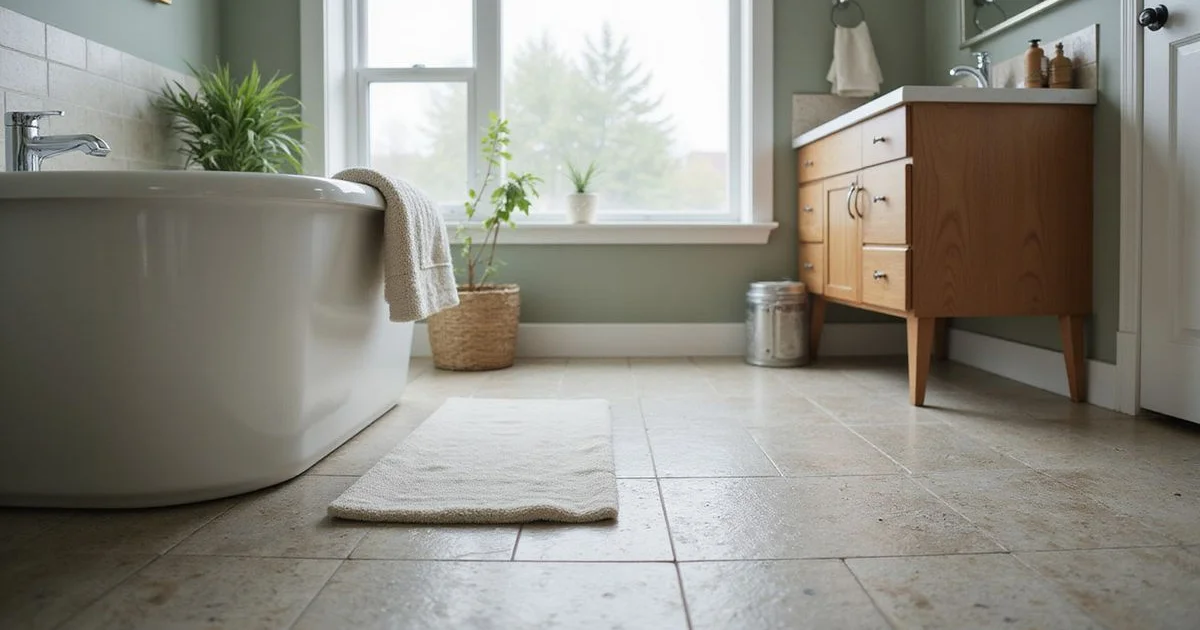
Bathrooms and kitchens combine two things that don’t mix well from a safety standpoint: hard surfaces and regular exposure to water. Picking flooring for these rooms is one of the few flooring decisions where looks should take a back seat to slip resistance and moisture protection.
Why wet-area flooring needs different criteria
A glossy, polished tile that looks great in a kitchen showroom can become genuinely dangerous the moment it’s wet. Slip resistance depends on the surface texture, not just the material, so two tiles that look similar can perform very differently underfoot when water is involved.
What to look for
| Factor | What to check |
|---|---|
| Surface finish | Matte or textured finishes grip better than high-gloss when wet |
| Slip resistance rating | Ask the retailer or contractor for the manufacturer’s rating, don’t guess from a sample photo |
| Tile size in showers | Smaller tile or mosaic patterns add more grout lines, which improve traction |
| Grout sealing | Sealed grout resists moisture, staining, and mildew better than unsealed |
| Material water resistance | Porcelain generally resists moisture better than ceramic; waterproof vinyl is an alternative to tile entirely |
Grout: the detail that gets overlooked
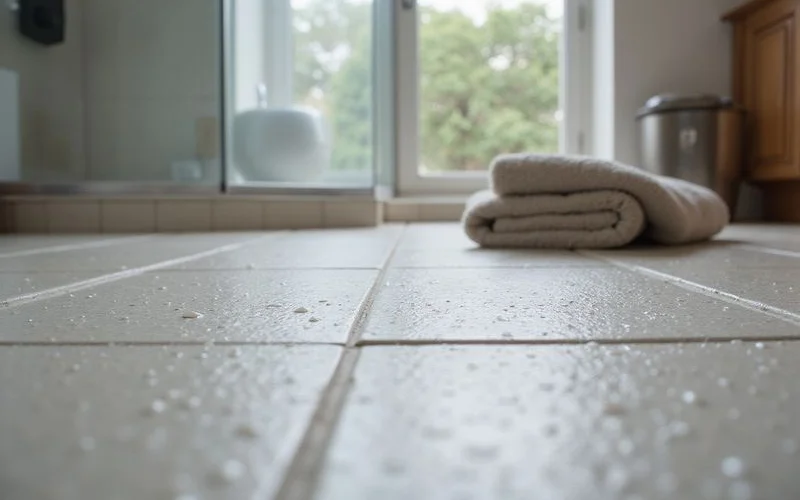
Grout lines do more than fill gaps between tiles. They add texture that genuinely improves traction, especially in showers, and they need to be sealed to resist moisture. Unsealed or poorly maintained grout absorbs water over time, which shows up first as staining or mildew and eventually as cracking or loosening tile. Ask your contractor what grout type they’re using and whether sealing is included in the job or a separate step you’ll need to schedule. Trapped moisture behind unsealed grout is also the kind of thing that can worsen mold-related allergy symptoms; our guide on the best flooring choices for allergies covers why sealed surfaces matter there too.
Alternatives to tile
Waterproof luxury vinyl plank has become a popular choice for kitchens and, increasingly, bathrooms outside the direct shower area. It offers solid moisture resistance, a warmer feel underfoot than tile, and generally good slip resistance with a textured finish, though most installers still recommend tile inside a shower itself where water exposure is constant.
Questions worth asking a contractor
Ask specifically about the slip-resistance rating for any tile you’re considering for a bathroom floor, not just the shower walls. Ask whether grout sealing is included and how often it should be redone. And ask how the installer handles waterproofing behind the tile in a shower, since a beautiful tile job with inadequate waterproofing underneath is a much more expensive problem than a slightly less stylish but properly sealed floor.
Bath mats and rugs matter as much as the flooring itself
Even the most slip-resistant tile benefits from a non-slip bath mat placed right outside the shower or tub, since that’s where wet feet first meet the floor and where most bathroom slips actually happen. Look for a mat with a rubber or non-slip backing rather than one that can bunch up or slide, since a loose mat on a hard floor introduces its own trip hazard even if the tile underneath is properly rated.
Heated flooring as a secondary benefit
Radiant floor heating, often installed under tile in bathrooms, does more than add comfort. A warm floor dries faster after a shower, which shortens the window where the surface is at its most slippery. It’s not a substitute for a slip-resistant surface, but it’s a reasonable addition to consider if you’re already planning a full bathroom flooring renovation and want an extra layer of practical benefit alongside comfort.
Kitchen-specific considerations
Kitchens see a different kind of moisture exposure than bathrooms: less standing water, but more frequent spills from cooking, plus grease that can make a smooth floor slicker than water alone would. A textured finish that resists grease buildup, and a habit of wiping spills up promptly, matters more in a kitchen than pure water slip-resistance ratings alone. Ask your contractor whether the specific tile or vinyl product they’re recommending has been tested for both water and grease-related slip resistance, since some ratings only account for the former.
Browse contractors who specialize in this work under our tile and stone flooring category, scored using the same rating methodology used across the site, or start from the homepage to compare other flooring options.
Common questions
- How do I know if a tile is slip resistant?
- Look for a texture rating or slip-resistance rating from the manufacturer, and ask to see or feel a sample rather than judging from a photo. A matte or textured finish is generally safer than a high-gloss polished surface in wet areas.
- Is larger tile safer than smaller tile in a bathroom?
- Not necessarily. Larger tile means fewer grout lines, which some people prefer for cleaning, but grout lines actually add texture and grip underfoot. Smaller tile or mosaic patterns can offer better traction in showers specifically.
- Does grout choice matter for moisture protection?
- Yes. Grout that isn't properly sealed absorbs moisture over time, which can lead to staining, mildew, and eventually cracking. Sealing grout when installed and resealing periodically protects both appearance and durability.
- Are there flooring options besides tile for wet areas?
- Yes, waterproof luxury vinyl plank has become a common choice for kitchens and even some bathrooms, offering good moisture resistance with a warmer feel underfoot than tile, though it's less common in showers specifically.