Best flooring choices for allergies and easier cleaning
By Dana Whitfield · Updated 2026-08-28
This is general information, not medical advice. If allergies or asthma are a significant concern in your household, an allergist can advise on which environmental factors matter most for your specific situation.
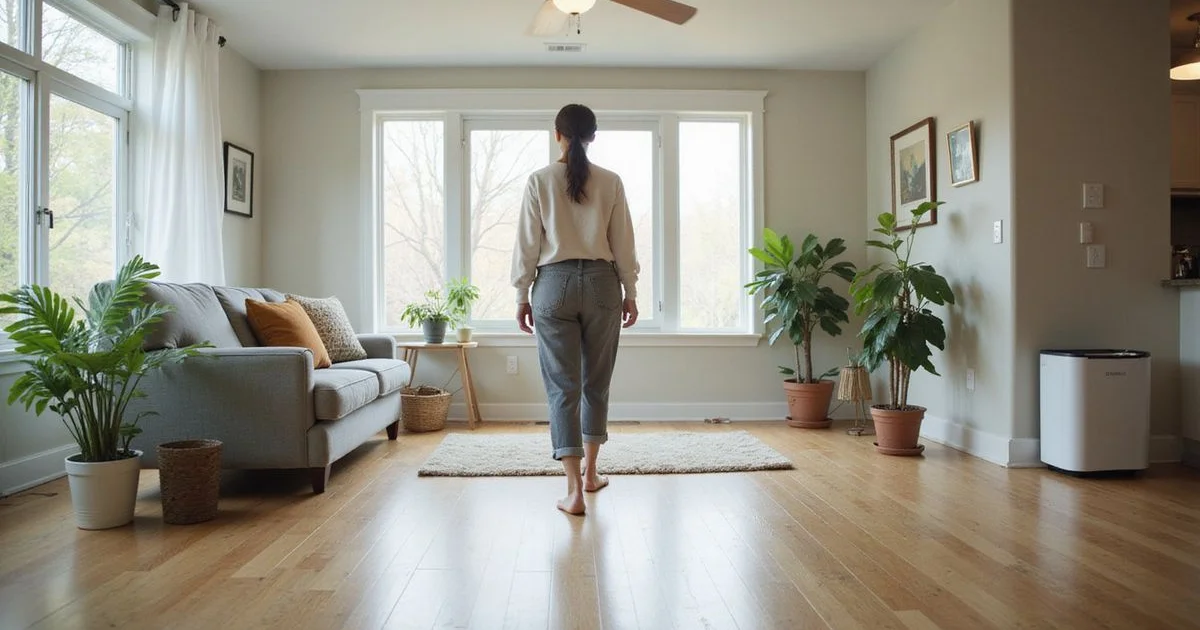
Flooring choice is one of the more overlooked levers for reducing allergen exposure at home. Fibers and porous surfaces hold onto dust, pet dander, and pollen; hard, sealed surfaces let you actually remove them instead of just stirring them up.
How materials compare
| Material | Allergen retention | Cleaning ease |
|---|---|---|
| Carpet | High | Requires regular deep cleaning to stay manageable |
| Hardwood (sealed) | Low | Easy, dry dust-mop or vacuum with hard-floor attachment |
| Tile (sealed grout) | Low | Easy, wipes clean; unsealed grout is the weak point |
| Luxury vinyl plank | Low | Easy, water-resistant and simple to wipe down |
| Low-pile carpet | Moderate | Better than plush carpet, still needs regular vacuuming |
Hard, sealed surfaces consistently come out ahead for allergy-sensitive households because there’s nowhere for dust and dander to settle in and accumulate the way there is in carpet fibers or unsealed grout lines.
If you want carpet anyway
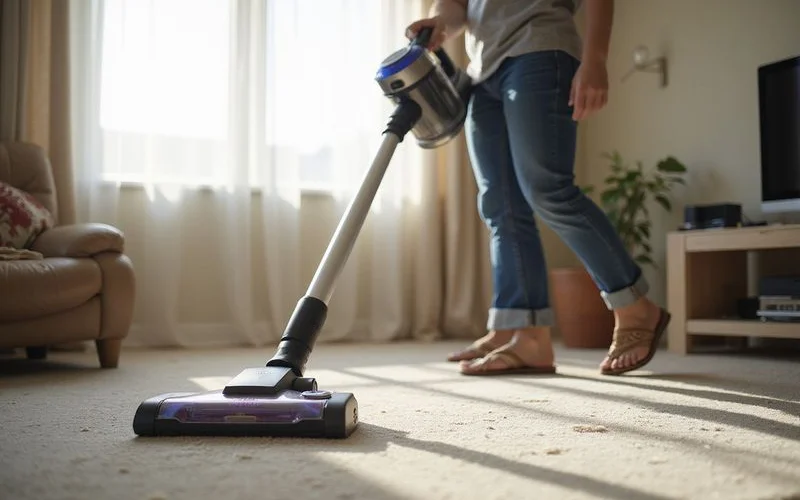
Some households have real reasons to want carpet, comfort, noise reduction, or simply preference, even with allergy concerns in the mix. If that’s the case, low-pile, tightly woven carpet performs noticeably better than plush or high-pile options, and a vacuum with a sealed HEPA filter makes a meaningful difference over a standard model. Professional deep cleaning on a regular schedule, not just surface vacuuming, matters more for carpet than for any hard surface.
The cleaning habits that matter most
- Dry dust-mop or vacuum hard floors regularly, since sweeping with a broom tends to push fine dust into the air rather than removing it.
- Seal tile grout and reseal it periodically; unsealed grout is porous and holds onto residue and moisture.
- Wash entry mats and area rugs frequently, since they trap the outdoor allergens that get carried in on shoes.
- Keep humidity in a moderate range, since both very dry and very damp conditions can worsen dust and mold-related allergy symptoms.
Underlayment and subfloor considerations
The material under the finished floor matters too. A moisture barrier under hard flooring helps keep the subfloor dry, and a damp subfloor is its own trigger for mold and dust mite growth that eventually works its way up through even a sealed surface. If you’re replacing flooring specifically for allergy reasons, ask the installer whether the subfloor shows any signs of past moisture issues before the new material goes down, since covering a problem rather than addressing it defeats the purpose of the upgrade.
Room-by-room priorities
Not every room needs the same level of attention. Bedrooms deserve the most consideration since people spend roughly a third of their time there, often with windows closed and less air circulation than shared living spaces. Basements and below-grade rooms carry a higher mold risk due to ambient humidity, which makes moisture-resistant hard flooring and a working dehumidifier more important there than almost anywhere else in the house. Living rooms and hallways see more daily foot traffic and outdoor allergen tracking, so consistent cleaning habits matter as much as the material choice itself.
Where this fits into a flooring decision
If allergies are a significant concern for someone in the household, it’s worth raising with a contractor early, particularly for bedrooms where people spend the most uninterrupted time. A contractor recommending sealed, hard surfaces with good grout or finish sealing for those rooms is factoring this in appropriately. Ask as well about low-VOC adhesives and finishes, since strong chemical odors during and after installation can aggravate respiratory sensitivities separately from the allergen question.
Air filtration during and after installation
Installation itself kicks up dust and particles, which can temporarily worsen symptoms for anyone sensitive in the household. Running an air purifier with a HEPA filter in the work area, and in adjoining rooms if doors don’t seal tightly, helps during the job and for a few days afterward while any lingering fine dust settles. This matters most for sanding and refinishing work, which generates noticeably more airborne dust than installing prefinished material.
Compare flooring contractors and see how they’re rated on our scoring methodology, or start from the homepage to browse by material and category.
Common questions
- Is carpet always bad for allergies?
- Carpet traps dust, pet dander, and pollen more than hard surfaces, which is a real concern for allergy sufferers. Low-pile carpet with a tight weave and regular deep cleaning reduces this, but hard flooring is generally the better choice for the most allergy-sensitive households.
- What's the easiest flooring to keep allergen-free?
- Hard, smooth surfaces like tile, hardwood, and luxury vinyl plank don't trap allergens the way fibers do, and they're easier to wipe down or vacuum thoroughly. Sealed grout lines matter for tile since unsealed grout can hold dust and residue.
- Does hardwood need special care for allergy concerns?
- Mainly regular dry dust-mopping or vacuuming with a hard-floor attachment, since a broom can push dust into the air rather than removing it. A well-sealed finish also keeps the surface from holding onto residue.
- Are area rugs a problem even on hard flooring?
- They can be. A rug on top of hard flooring reintroduces the same allergen-trapping issue carpet has, just in a smaller area. Washable, low-pile rugs are a reasonable compromise if you want some rugs in the space.