Choosing safer flooring for aging parents or grandparents
By Dana Whitfield · Updated 2026-08-24
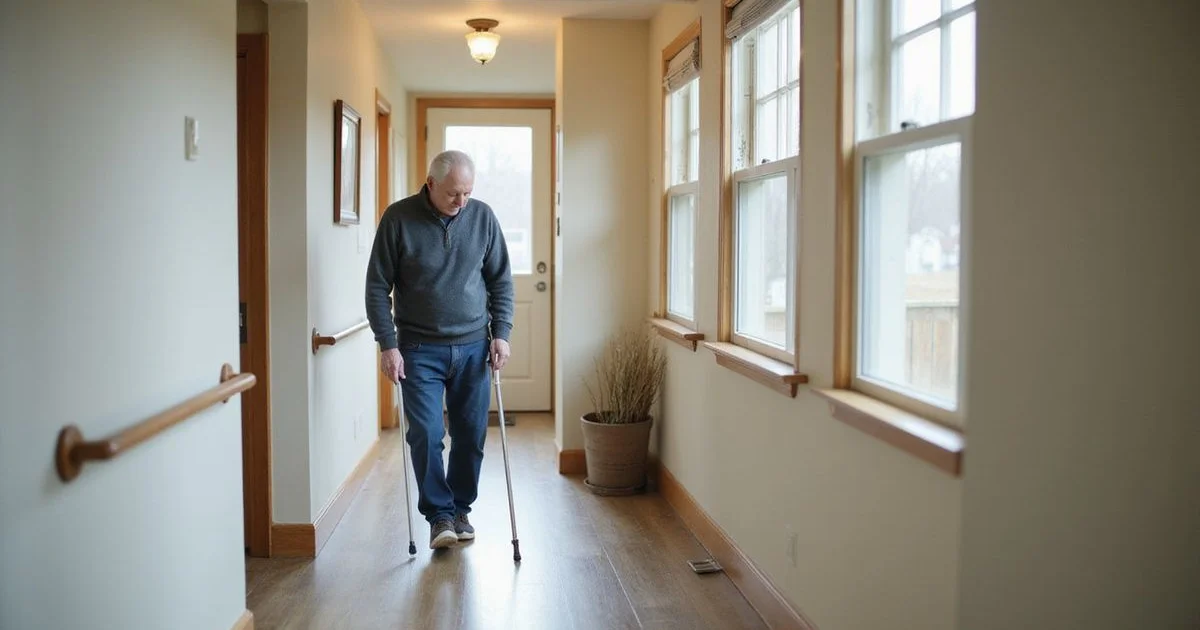
Helping a parent or grandparent make their home safer is rarely about one big renovation; it’s usually a series of practical decisions, and flooring is one of the most overlooked ones. The right choice balances grip, cushioning, and ease of movement for a walker, cane, or wheelchair, without turning the floor into a hazard of its own.
What actually matters for fall prevention
- Slip resistance. Smooth, glossy surfaces, especially when wet, are the biggest slip risk. A matte or textured finish reduces this significantly.
- Some cushioning, not too much. A hard surface is unforgiving in a fall, but very soft or thick carpet can catch a foot or make walkers harder to push. Low-pile carpet or cork strikes a middle ground.
- Glare. High-gloss floors can create visual glare that makes depth and edges harder to judge, which matters more than people expect for older eyes.
- Consistent, flush transitions. Height changes between rooms are a common and preventable trip hazard.
Material comparison for this specific need
| Material | Slip resistance | Cushioning | Notes |
|---|---|---|---|
| Low-pile carpet | Good | Moderate | Easy for walkers, but avoid thick or plush pile |
| Cork | Good | Good | Naturally cushioned, warmer underfoot |
| Textured luxury vinyl plank | Good | Low-moderate | Water-resistant, good for kitchens and bathrooms |
| Matte tile | Moderate | Low | Fine in dry areas; look for slip-rated finishes in bathrooms |
| High-gloss tile or hardwood | Poor when wet | Low | Avoid in bathrooms, entryways, and kitchens |
Room-by-room thinking
Bathrooms and entryways carry the highest fall risk because they combine hard surfaces with moisture. A slip-resistant tile or textured vinyl matters most there. Bedrooms and living rooms benefit from low-pile carpet or cork for the extra forgiveness in a fall and the warmth underfoot. Kitchens sit in between: water-resistant flooring with decent grip, like textured vinyl plank, tends to work well.
Beyond the material itself
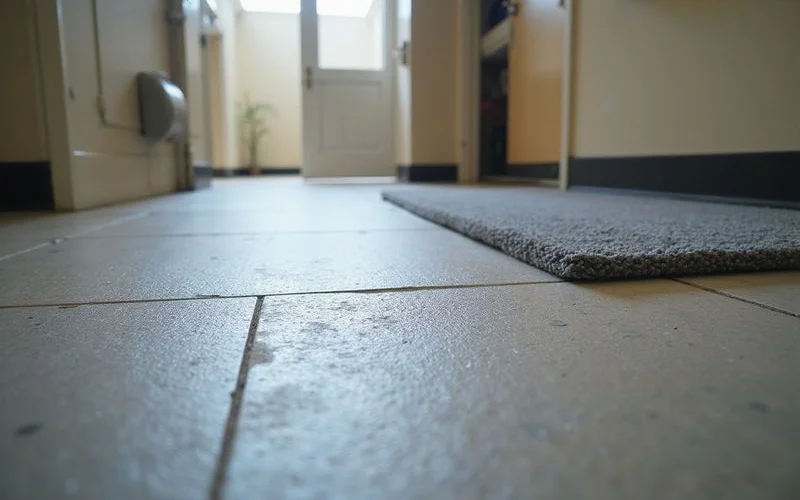
Loose area rugs are one of the most common and easiest-to-fix fall hazards in an older adult’s home. If a rug isn’t secured with non-slip backing, either remove it or replace it with one that is. Raised thresholds between rooms are worth replacing with flush or gently beveled transitions, especially anywhere a walker or wheelchair travels regularly.
Talking with a contractor about this project
Be specific about who’s using the space and how. A contractor who asks about mobility aids, vision, and which rooms see the most use is thinking about the project correctly. One who just recommends whatever’s popular without asking those questions may not be the right fit for this particular job, even if their general work is good.
Lighting and color contrast alongside flooring
Flooring choice works together with lighting and color contrast to reduce fall risk, not in isolation. A well-lit hallway with even, glare-free flooring is far safer than the same floor in dim lighting, and a color that contrasts clearly with walls and furniture helps someone with reduced vision judge where the floor ends and an obstacle begins. If you’re already updating flooring for safety, it’s worth walking through the space at different times of day to check how lighting interacts with the new surface, particularly evening hours when many falls happen.
A gradual approach if a full renovation isn’t realistic
Not every household can take on a whole-house flooring project at once, financially or logistically, especially if a parent is resistant to a big disruption in their home. Prioritizing the highest-risk areas first, typically the bathroom, the entry, and the path between the bedroom and bathroom used at night, addresses the most dangerous spots without requiring a complete overhaul. Securing or removing rugs and improving lighting in the meantime are low-cost steps that help immediately while a larger project gets planned and budgeted.
Involving the person the change is for
Whenever possible, involve the parent or grandparent directly in choosing the flooring, not just deciding on their behalf. Comfort with a new surface, both physically and in terms of how at-home it feels, affects how willingly someone actually uses the space day to day. A technically ideal flooring choice that feels institutional or unfamiliar can be a harder sell than a slightly less optimal option that the person actually likes and feels comfortable walking on.
Browse contractors and compare how they’re rated on our scoring methodology, or start from the homepage to look at flooring options by category.
Common questions
- What's the safest flooring material for an elderly parent's home?
- Low-pile carpet, cork, and textured luxury vinyl plank are commonly recommended because they offer some grip and cushioning without being so soft that a walker or wheelchair struggles to move across them.
- Should I remove all area rugs?
- Loose rugs are one of the most common fall hazards for older adults, so removing them or securing them with non-slip backing is one of the simplest, lowest-cost safety improvements you can make.
- Are hard surfaces like tile always a bad idea?
- Not always, but tile can be harder and less forgiving in a fall, and it can be slippery when wet. If tile stays, a slip-resistant finish in bathrooms and entryways matters more than in a dry living room.
- What about flooring transitions between rooms?
- Height changes between rooms are a common trip hazard, especially for anyone using a cane or walker. Flush or beveled transitions reduce that risk more than a standard raised threshold strip.