#1
86 Professional Home Remodeling Services - EDM Construction, LLC
5.0(38)✓ Google-verified
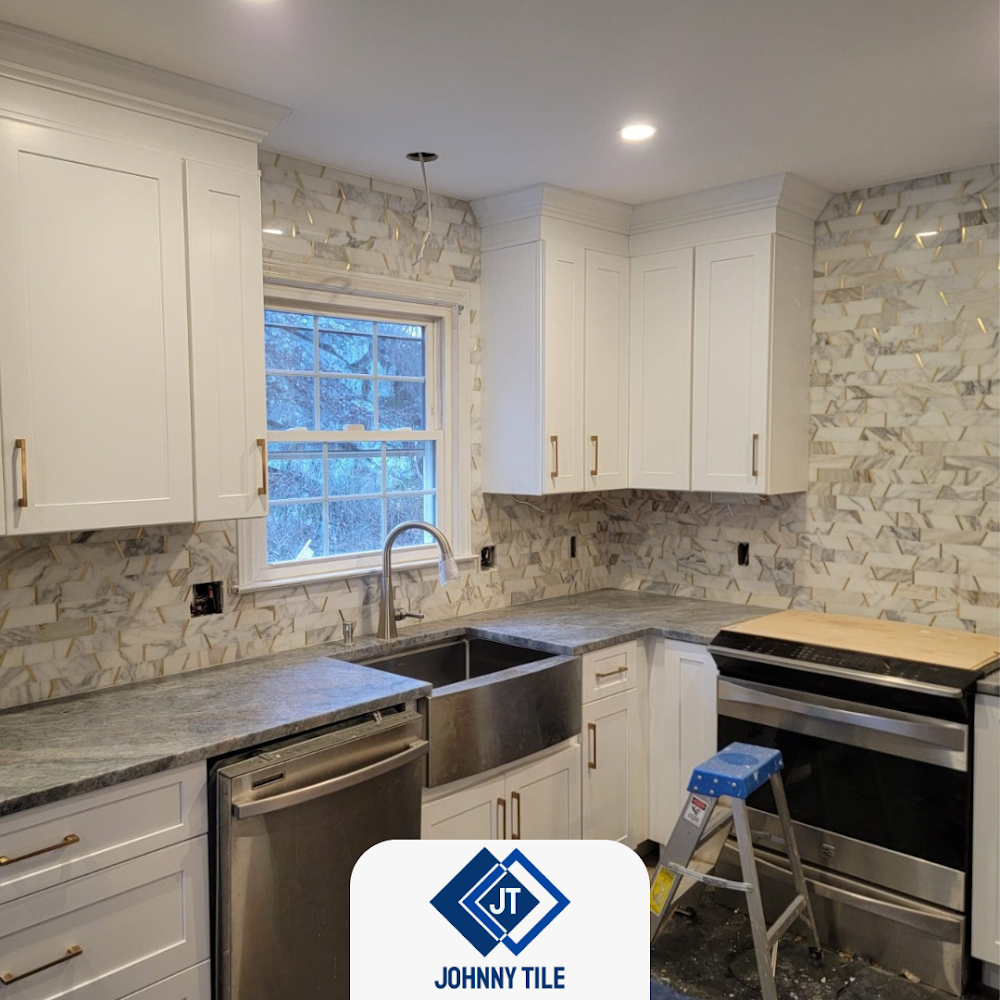
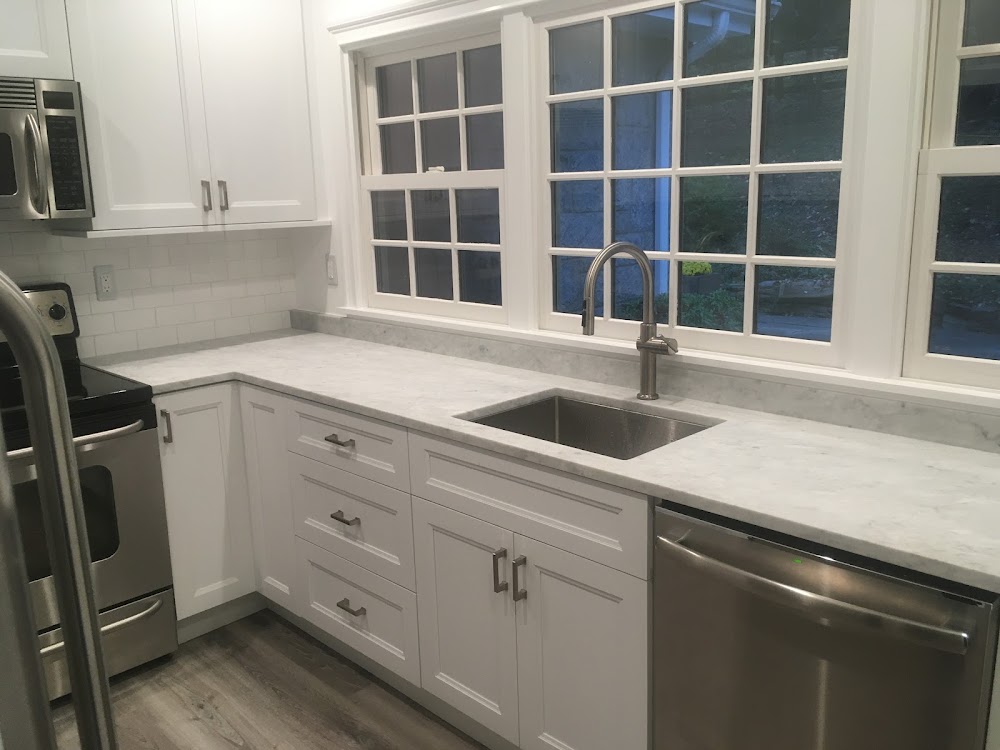
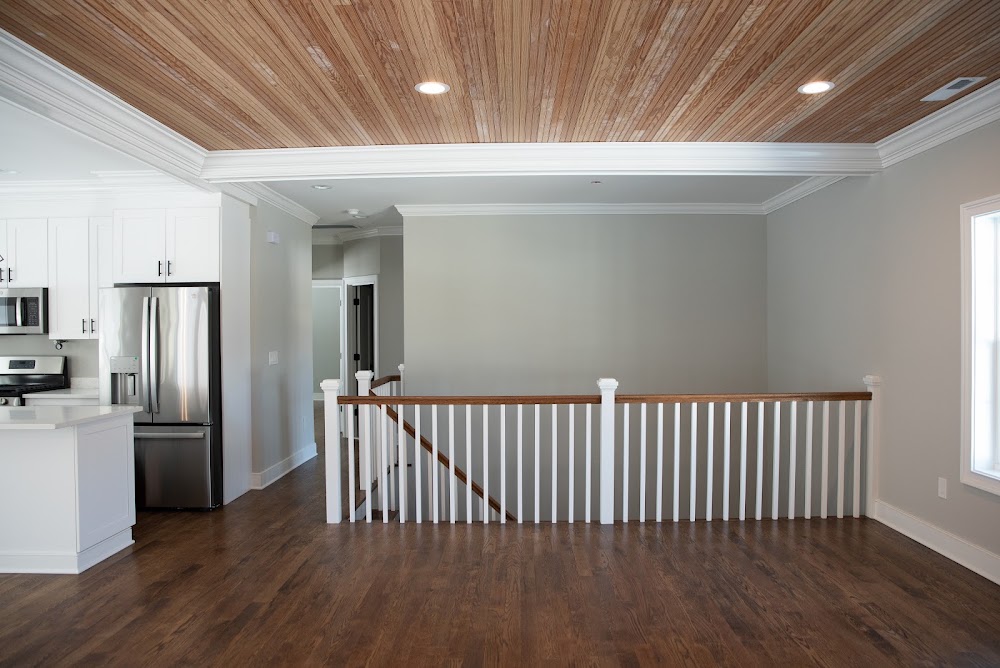
EDM Construction completes jobs fast and stays within budget. Reviewers repeatedly mention Eddy and his crew being professional, polite, and available for follow-ups even an hour away; bathrooms, roofs, and kitchens are finished to a standard that exceeds expectations, with careful cleanup and attention to trim and fixtures. The business tackles multiple services: roof replacement, bathroom and kitchen remodels, cabinet leveling, backsplash work, deck and siding replacement, and drainage projects. Recent reviews confirm speed (some jobs under two weeks), competitive pricing, and willingness to fix mistakes from other contractors. One reviewer, a builder himself, has worked with them for nearly twenty years.
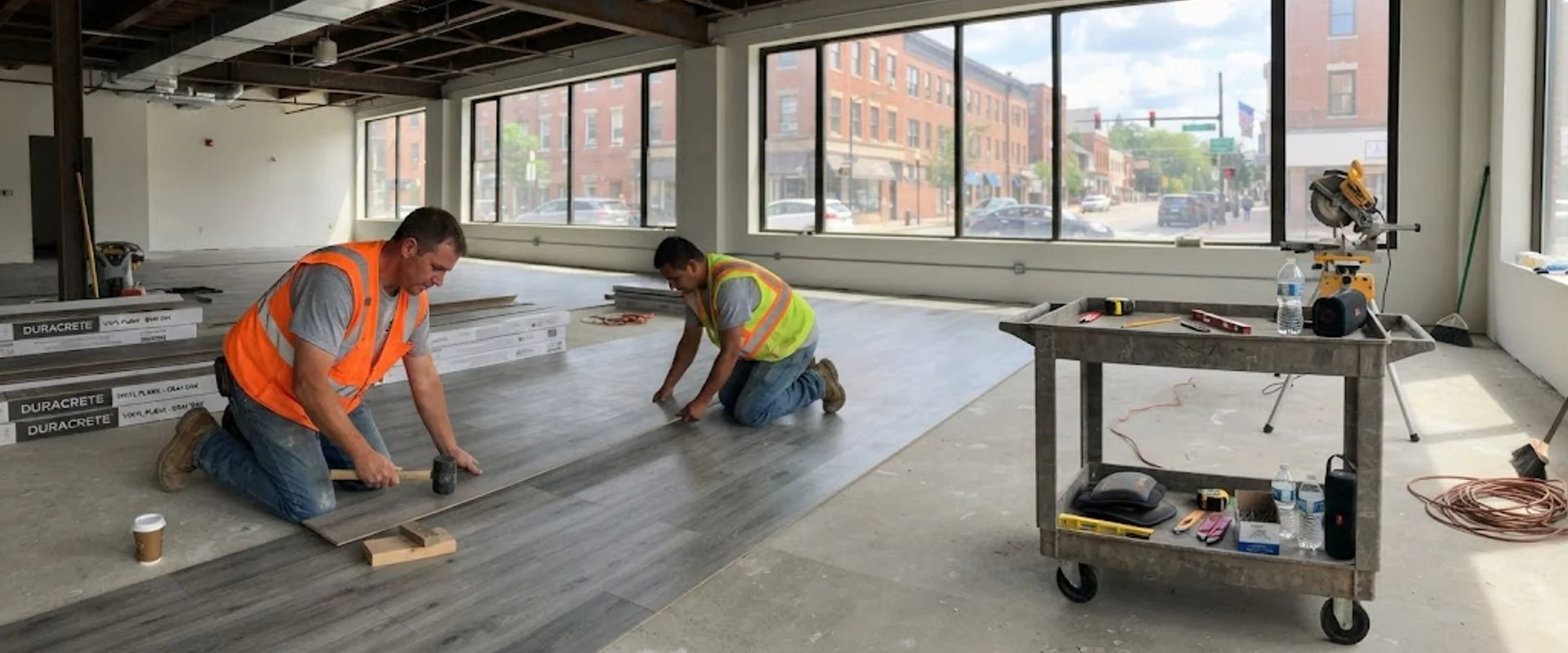
Hardwood FlooringCommercial Flooring